
Author Archive

Reflections of a Camp Starlight Counselor and Former Camper

Wednesday, September 28th, 2011

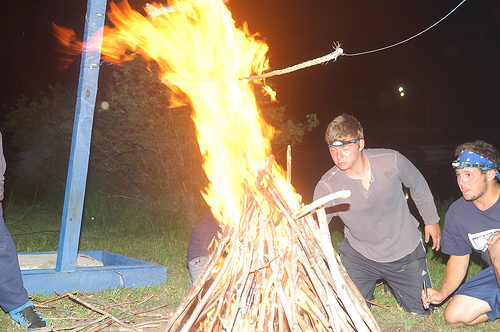
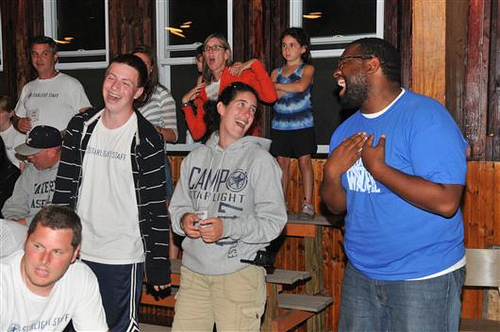
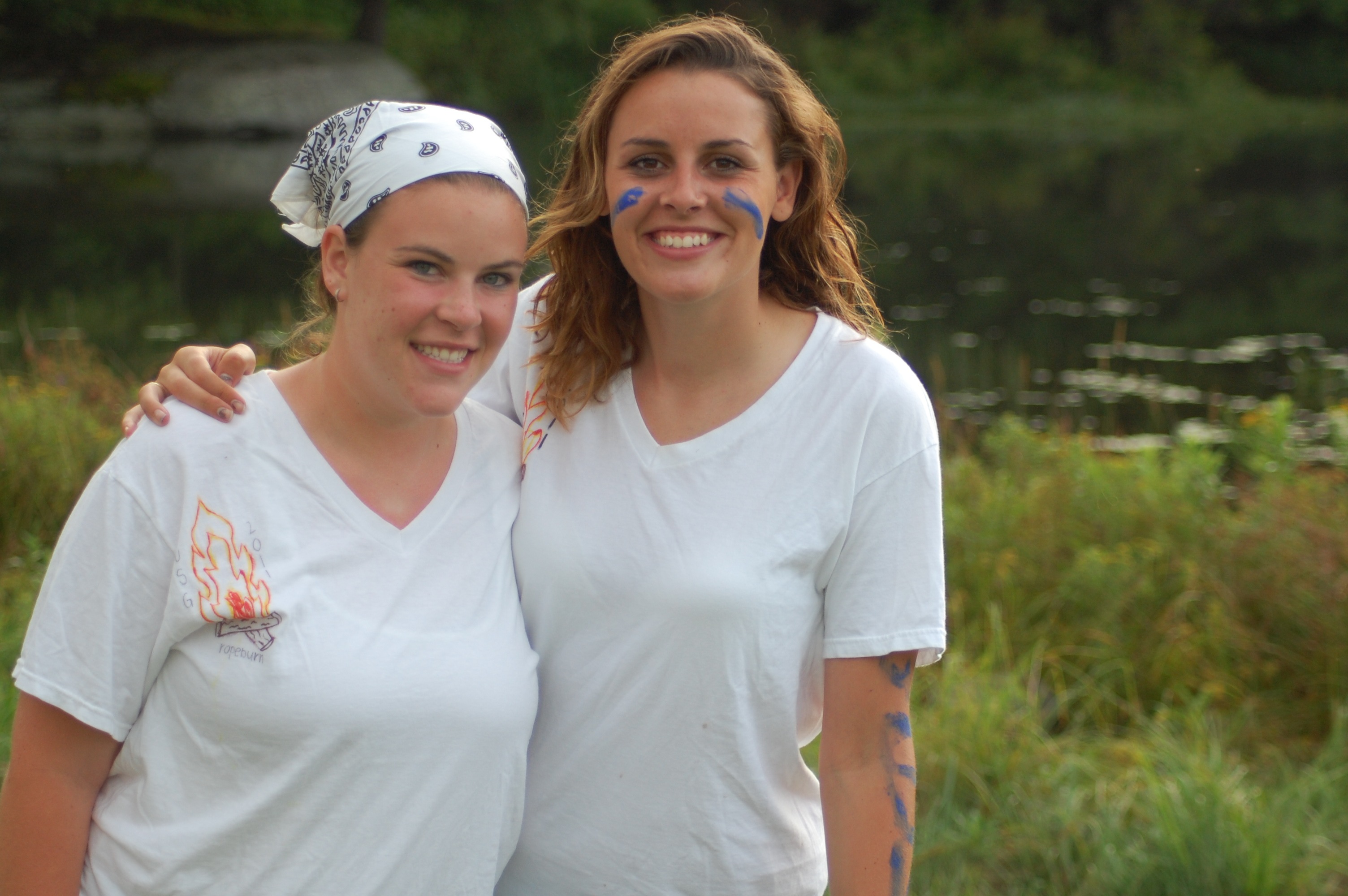
As school starts back up again, I can’t help but think about Camp Starlight, my second home. Everything about Camp Starlight is amazing. When I need a good laugh, the first thing that comes to my head is a story from camp. I am the person I am today because of it. My best friends are those I met at Camp Starlight, not just as a camper, but when I made the transition to counselor. Being a counselor is one of the best life experiences a person can have. You are able to be a kid again and, at the same time, you are able to have an influence on your campers’ lives. This summer, the Upper Senior girls asked me to be their coach during rope burn, which is such an honor. As I watched the girls build the fire, it brought me back to my times as a camper. I remember being Upper Senior captain and thinking how rope burn was the most important thing I had ever done. Looking back, it probably wasn’t, but it was my whole camp experience that changed me. I know that I would not have been able to do most of the things I have done in my life without the camp experience. A great thing about camp is that you can learn something from everyone. Even your campers can teach you something. I have had the opportunity to grow up with such great role models simply because these people were my counselors. Camp Starlight is something that will be a part of my life for years to come because it makes me the person I like to be.
–Julia, Camp Starlight counselor and former camper

Bazooka Bubble Gum

Thursday, September 22nd, 2011

At the end of every summer, once you have returned home, there is always one song or tune that you simply cannot forget or erase from your mind, thanks to Camp Starlight. I am not talking about the traditional songs like, “I Can’t Smile Without You”, “Singing in the Rain”, “Sweet Caroline”, or “Friends,” but the songs you grow to love. These songs somehow become some of our favorite camp memories and have created new Camp Starlight traditions.

Two summers ago, we were introduced to a song that focused on one’s facial hair; and things got kind of hairy. This summer, thanks to Girls Bunk 11 and their divisional award winning MTV night performance, we now have the “Bazooka Bubble Gum” song imprinted in our minds (and hearts). If you wish to find an easy way to return to the summer of 2011, listen to the song and fondly think of your Camp Starlight summer home and family. Just in case you need a refresher, here are the lyrics…

My mom gave me a penny,
She said to buy a henny,
But I didn’t buy a penny,
Instead I bought bubblegum,
Bazooka-zooka,
Bubblegum,
Bazooka-zooka,
Bubblegum.

My mom gave me a nickel,
She said to buy a pickle,
But I didn’t buy a pickle,
Instead I bought bubblegum,
Bazooka-zooka,
Bubblegum,
Bazooka-zooka,
Bubblegum.

My mom gave me a dime,
She said to buy a lime,
But I didn’t buy a lime,
Instead I bought bubblegum,
Bazooka-zooka,
Bubblegum,
Bazooka-zooka,
Bubblegum.

My mom gave me a quarter,
She said to buy a porter,
But I didn’t buy a porter,
Instead I bought bubblegum,
Bazooka-zooka,
Bubblegum,
Bazooka-zooka,
Bubblegum.

My mom gave me a dollar,
She said to buy a collar,
But I didn’t buy a collar,
Instead I bought bubblegum,
Bazooka-zooka,
Bubblegum,
Bazooka-zooka,
Bubblegum.

My mom gave me a five,
She said to stay alive,
But I didn’t stay alive,
Instead I choked on,
Bubblegum,
Bazooka-zooka,
Bubblegum,
Bazooka-zooka,
Bubblegum.

Forgot the tune? Watch the video…

You’re watching Bazooka Bubble Gum Song. See the Web’s top videos on AOL Video

After Camp: Keeping the Momentum Going

Saturday, September 17th, 2011

Sure the kids are home from camp and are settling back into their school routines.  Maybe they’re still a little bit camp sick, but it’s possible to keep the camp momentum going throughout the year.  Here are a few suggestions we thought we’d pass along.

  • Talk about camp with them.  Not only do children love talking about their camp experiences, but doing so helps them process the events of the summer.  In sharing their experiences, they’re able to gain perspective about camp.   If they haven’t already told you by now (and they probably have a hundred times over), ask them to tell you about their camp friends, their favorite activities and favorite events.
  • Encourage them to keep in touch with their camp friends throughout the year.  Of course, summer camp draws campers from all over the globe, so play dates and get-togethers might not be realistic for everyone.  But in the age of email, Skype, and Facebook (for some older campers), maintaining contact is easier than ever.
  • Encourage children to read camp literature, such as newsletters, and to keep up with the blog on your camp’s website.  Parents should regularly read camp literature and blogs as well.  Not only will they be informed, but they can pass along useful or exciting information, such as news about new camp activities or facilities, to their children.
  • If your children just can’t stop singing those camp songs, encourage them to teach you one or two.  Then you can sing along with them…It’s fun.  Trust us.
  • Encourage your children to share anything exciting that happens to them throughout the year with the camp.  Summer camps love to know what their campers are up to over the winter and are thrilled to share in something special whether it be winning a spot on a traveling sports team, landing a role in the school play, or earning a place on the honor roll.  Many are also happy to pass this information onto other campers and their parents via a special section in their camp newsletter.
  • Make a big deal over any projects they brought home.  Whether it’s a scented candle, a leather purse, a clay vase, or a wooden birdhouse, chances are they put plenty of time and energy into creating something special to bring home to you.  So display it somewhere prominent, even if it does have to be “archived” each year to make room for the next summer’s treasures.
  • Show them that you got their camp letters.  Point out your favorite parts.  Tell them which were your favorites, maybe even keep the letters in an album from year to year.  Children are much more excited about writing home from camp when they really feel that their letters are being read.  Someday, a scrapbook of camp letters might even make a neat gift to give back to them.

With a little bit of help from you, your children can keep the camp momentum going all year long!

Camp Starlight Senses

Thursday, September 15th, 2011

It has been over 3 years since I last stood in Starlight, PA, since I last heard the call to lineup, since I last smelled the Rec Hall, since I last tasted the chocolate chip pancakes, since I last felt the grass at kiddy campus, since I last saw a bim bam by the lake. And yet, my “camp senses” are as strong as ever.

Just a few days ago, I smelled something familiar. It was the kind of subtle smell that most would sniff without giving it a second thought. But I couldn’t; I recognized this smell. Without much thought, I knew what it was: banquet dinner, with those fancy mashed potatoes. Instantly, I was taken back to the last week of camp, when everyone on campus is squeezed into the mess hall dressed to the nines to enjoy a special meal to end the summer. I remembered banquets past and far past, what I was wearing, who I sat next to, who spoke and who had a star dedicated. I remembered the way I felt about the summer ending soon. And then, as quickly as it had come, the smell and the memory were gone.

In the same way that we never forget the taste of our grandmother’s matzoh balls, we never shake the “senses” that surround us each and every day at camp. These days, when I build a campfire, I am reminded of the way we built it at Rope Burn. When I hear a PA announcement, I am reminded of my days working the HC. After so many years at my second home, all it takes is the slightest nudge of the senses to take me back. In a way, I never left.

Marc Hassan, guest blogger

Everything I Need to Know, I Learned at Summer Camp

Friday, September 9th, 2011

Back in 1988, the book Everything I Need to Know, I Learned in Kindergarten was written by Robert Fulghum. However true the points the author makes may be, it is arguable that those who go to summer camp would feel otherwise. Although summer camp is packed full of fun times, arts and crafts projects, and songs around a campfire, it is also an experience rich in life lessons that carry on far into adulthood. Children who are still of camping age probably think that a crazy concept.  To them summer is simply two months filled with sports, activities, and bonding time with their friends. But those who are past the age of those simple days of fun in the sun feel certain they have taken far more from their summers spent at camp.

The years a child spends away at summer camp are the years when development is at an all time high. It is the age when a children build the foundation of their personalities, life attitudes, and personal relationships with others. The most basic lesson hidden in the experience of going to summer camp is the independence found in leaving the familiarity of family and friends at home. Going off to a new place without mom or dad around to help manage time and personal space is a giant step in the right direction for learning personal responsibility. In joining a group of kids their own age as a unit, the children learn to accept compromise, share, and respect others in a fun environment. As they step into the bunk, they also learn the roles of new authority figures in their counselors, instructors, and camp administration.

The relationships founded between counselor and camper are bonds that are remembered for many years past the days spent in the bunks together. These friendships teach respect and acceptance of the new adult assuming the position of summer caretaker for the child. It is a gentle transition, as the role of a counselor is generally focused on the child having a great time but also ensuring the child is safe, fair, and well-taken care of. Children learn that authority figures are not to be seen solely as someone who tells them what to do, but as someone who genuinely cares about their welfare, progress, and interactions with those around them. Camps enact policies such as group clean-ups and team building exercises utilize the necessary time spent doing chores and outdoor activities to become educational experiences for each child. The concepts of personal responsibility and teamwork become second nature at camp, and they are indispensable as the child moves on to college and adulthood.

Another indispensable quality learned through staff member relationships with campers is the characteristics of “coach-ability”; the acceptance of instruction and constructive criticism. Every summer, children are excited to spend time on the fields and courts during athletic activity periods. While they are learning the proper way to shoot a lay-up, they are also engaging in a fun, educational lesson in observing and learning from others. While they obviously enjoy one area more than others, they are expected to both try and improve in the all activities. They spend the day with others in their bunks or divisions who have different interests and strengths and, through those performances, are able to see that everyone has their own niche and range of capabilities. This builds the early cornerstone of mutual respect amongst others and the idea that they can learn something from another person, even if that subject matter does not necessarily spark their full interest. The camp implementing full participation expectations from every child also teaches them the idea that they should always play a part in the activity and do their best at the task at hand.

The final lesson most prevalent in a child’s growth in camping is the sense of pride that is found in being part of a group and engaging in its traditions. For years to come, former campers will reflect on campfires, evening activities, sing-alongs, and the everyday routines of their camp days as fond memories spent at a place where they found their summer home. There is a spirit of pride and camaraderie when they see a person from their camp get into a highly renowned university, publish their first book, or take the field as a collegiate or professional athlete. A shared sense of accomplishment for that person shows the strength of the bonds found in camp friendships and the acknowledgement of others’ personal victories. Those in their post-camping days find that through painting their faces, raising their voices in a round, and taking roles on as senior campers stick with them in later years as a sense of unity amongst a group of people. By taking part in something that stood before them and has continued on without them, they carry with them the role they played in a part of the history of that place. The good feelings and happiness found both in the moment and in years to come instills in a camper the value of relationships with others and taking pride in an establishment. This further develops loyalty and commitment in other organizations ranging from teams, sororities or fraternities, community service projects, and even in the professional corporations they find themselves in later in life.

In conclusion, it may seem that the issues at hand make a simple summer spent with friends too serious. However, those who look back on their experiences in camping with fond memories know the things they learned at camp are still with them. The relationships built often outlast those of neighborhood and schoolyard friends, and in them they find some of their greatest confidantes and oldest friends. The tools gained through taking part in summers at camp haven proven useful in the obstacles faced years later. Therefore, it is quite obvious to those who at some point called themselves a camper that they truly learned everything they needed to know at camp!

Camp Sick

Monday, September 5th, 2011

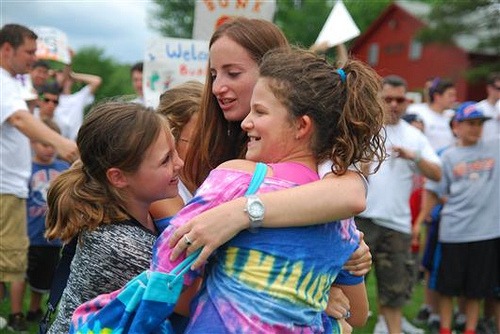
The summer of 2011 is over, a new school year has started, everyone has finally unpacked their camp bags, and now the wait for the summer of 2012 begins.  Ten months isn’t really that long.  Every year we manage to wait it out.  But when it’s September and the fun times we had this past summer are still fresh in our minds, it seems like an eternity; and, inevitably, we all feel a little bit (or a lot!) camp sick.  We all know the feeling.  Some of us find ourselves singing camp songs or have the urge to tie-dye something…maybe even set our ring tones to Reveille or just sit around with camp friends re-living all of the memories from the summer.  Saying goodbye to another summer in our own way is a rite that we go through every fall.  We not only say goodbye to our camp friends, but our counselors, and upper campers.  But on the upside of goodbye is hello.  Hello to all of our new friends who will join us for the first time next summer.  Hello to the challenge and excitement of planning a new summer that’s even better than last.  Hello to good times that turn into new memories.  Hello to a new group of campers.  Hello to the new counselors and staff members who choose to make camp their summer home next year.  Hello, everyone. We can’t wait to see you in the summer of 2012!

Come Rain or Come Shine…

Thursday, August 25th, 2011

Do you ever wonder what happens at camp when it rains?  We assure you, it’s nothing like those scenes in movies that depict bummed out campers forced to spend entire days in their cabins or bunks .  Typically, it doesn’t rain all that often in the northeast during the summer and, whenever possible, activities proceed as planned.  We never let a few sprinkles get in the way of our regular activities.  But on those rare days when there is just no way around it, we’re ready!

When we wake up to a morning that makes outdoor activities unrealistic, we swing into action by implementing alternative programs.  Camp is just as fun and active when it’s a little bit wet outside as it is when the sun is shining.  By utilizing our indoor facilities, we’re able to keep the action going by combining our regular programs that are already completely or partially indoors, like gymnastics and arts and crafts, with special activities, like games, trivia contests, or sing-a-longs.  Sometimes, we simply move some of the things we normally do outside to an indoor location.  Ga-ga, basketball, and soccer, for instance, all adapt well to indoor locations.  By making just a few minor adjustments, we’re able to make sure that everyday at camp is full of good times and memories for our campers, not just those days when the sun shines.

A Look Behind the Scenes

Saturday, August 20th, 2011

Every day, we rely on a several teams of individuals to make camp happen.  Everyone knows about camp counselors, the people on the front lines, but not everyone is aware of the people who work behind the scenes to make sure everything runs smoothly.  Running a summer camp really is more than showing up in June ready to welcome campers and have fun.  There are a myriad of staff members who perform the often thankless job of working “behind the scenes” at camp.  They are a very diverse group of individuals.  Some of them answer the phone when you call the camp.   Others schedule daily activities, arrange transportation, or cook the food.   Still, others take care of your children when they’re not feeling well, or look into your concerns about their daily lives at camp.

The fact of the matter is that summer camps require individuals of many interests and talents to operate successfully, and the measure of a good summer relies on the abilities and passions of these individuals.  They often work long hours, from sunrise until the wee hours of the morning simply because they love camp.  If you ask any one of them, they’ll tell you that they do what they do because, in the end, it contributes to a successful summer for campers and their parents.  They also might be a little coy in admitting that it’s just plain fun for them.

Furthermore, these people are so good at their jobs that we don’t even adequately know how to thank them.  They work with passion and without regard to anything but making sure our campers and their parents have the best possible experience at our camps.  It truly is a thankless job , in many ways, to work behind the scenes at an American summer camp.  But we are thankful!

Another Summer Has Come to a Close…

Wednesday, August 17th, 2011

We can’t believe how fast another summer flew by.  It truly is a privilege for us to be able to host so many campers each summer.  We’re sad that the Summer of 2011 has already drawn to a close, but excited to begin planning for the Summer of 2012.  For us, our greatest challenge is to make each summer better than the previous.  That’s a hard thing to live up to when the current summer has been so amazing!  Collectively, we really couldn’t have asked for a better group of parents, campers, or staff members.  We know that all of you are what makes Camp Starlight!  We can’t wait to meet those who will be joining us for the first time in 2012 and to welcome back all of our friends!  To everyone, here’s to living 10 for 2…until our next 2!

The Importance of Being Creative

Saturday, August 13th, 2011

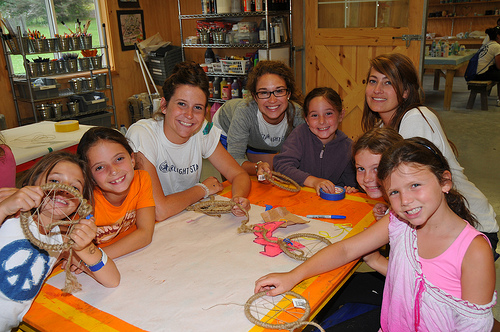
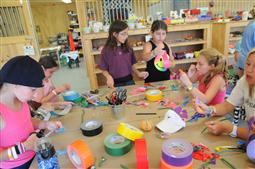
Arts and Crafts at summer camp is more than just stringing together a few beads to make a bracelet or gluing some spray painted macaroni to a cardboard picture frame.  It’s a program that gives campers the opportunity to explore their creative interests in several different types of art by offering a diverse array of age appropriate projects.  Of course there are the traditional projects that are just plain fun, like paper mache and tie-dying.  However, many summer camps also offer campers the opportunity to try things that are not only artistic but could be useful skills or even careers, such as metal work, jewelry making, calligraphy, cartooning, or soap and candle making.  Just like sports programs at camp, many campers have discovered a passion in their summer camp’s Arts and Crafts programs that they later pursued further.

Another way in which summer camp Arts & Crafts programs benefit campers is by providing a creative outlet for children who are being given fewer chances to explore the arts in their school programs.  Ashfaq Ishaq, PhD, argues that without being given the appropriate opportunity to explore their creative sides, children will not learn how to combine creativity with acquired knowledge to reach their full potential.   Art encourages spontaneity and exploration, two things that allow us, as people, to be innovative and prolific in our thinking.  Creativity also refines problem solving skills by helping us understand how to think “outside the box” when traditional solutions aren’t practical.  All three qualities are considered crucial to success in a child’s education as well as their adulthood careers.  Summer camp Arts & Crafts programs also give campers the opportunity to try some projects that might not be available in traditional school art programs, such as throwing clay on a pottery wheel.

For many campers, summer camp has become a way of maintaining tradition in environments that are ever changing.  Faced with a fast paced, changing world in the winter, children can still depend on summer as a way to fall back on activities and hobbies that may not be greatly valued in conventional schools anymore but are useful and bring satisfaction.  Arts and Crafts may be a dying art within American school systems.  But it’s thriving within American summer camps.