

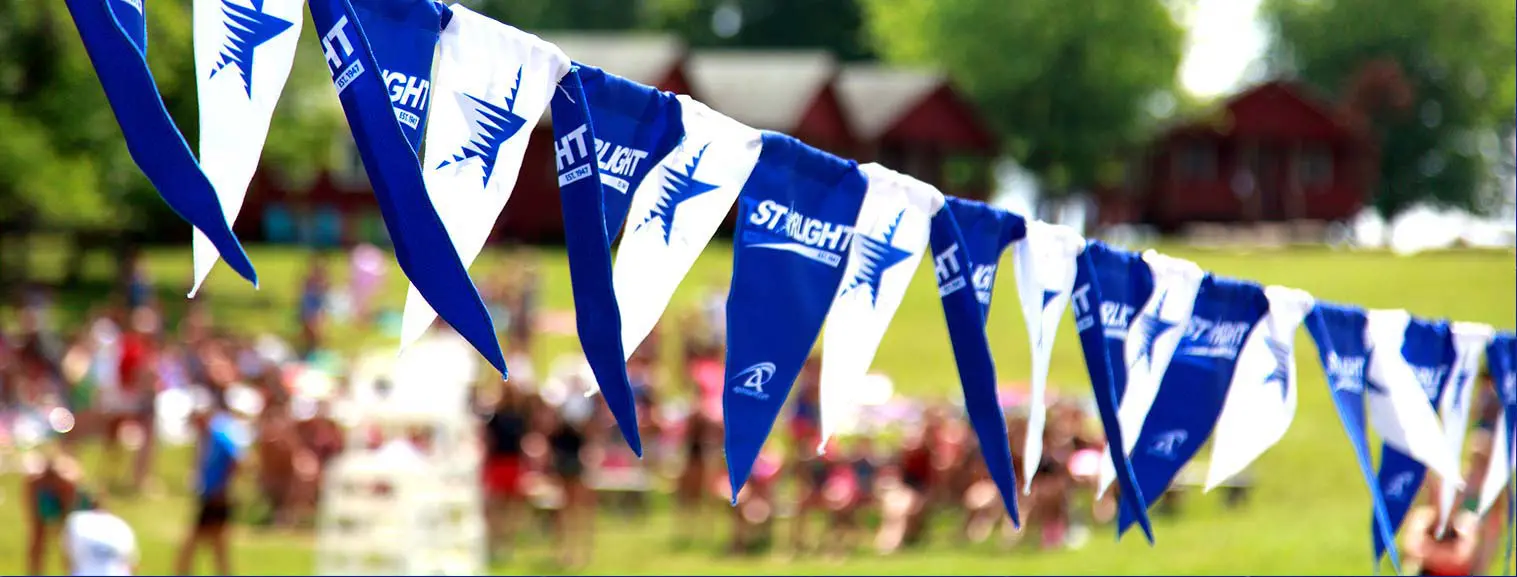
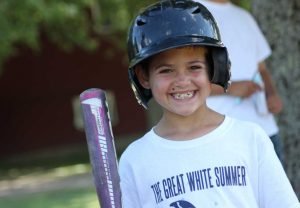
With hundreds of different activities, sports, events and things to do at camp, it is no surprise that campers spend a large portion of their day at play. Whether you’re playing on the soccer field, on the lake, on the stage or in the pool, there is never a shortage of playtime at camp. But there is more to play than just having a good time. When kids play, they learn, and when they learn, they grow. For campers, it may feel like a summer free from learning or education, but they are learning a lot while they play.
Studies show that when young children play, whether it is with blocks, cars, on the playground or in a sport, they are doing a lot more than having fun. Play sparks their imaginations, which helps to improve their problem solving skills and encourages creativity. Being able to play alone helps kids feel independent, while playing in a group helps kids with important values such as sharing, compromise, taking turns, patience and flexibility. More physical play, like running, jumping or dancing helps kids with their balance and coordination, and boosts their confidence. Play is the main way that kids explore the world, and is essential in their social and emotional development.
At camp, kids spend all summer playing, and therefore spend all summer learning. They may not realize that participating in crafts is teaching patience, hand-eye coordination and appreciation for the arts, and they may not realize that team sports is teaching them cooperation and communication. It may not be until they get home and others begin to see a change in their personality or character that they realized they learned a lot at camp. They may search their brains trying to pinpoint a moment when they learned a certain thing, and most won’t be able to. Learning through play can be a subtle process, which is also why is it so effective.
Play based learning is just as important as academic learning. Kids spend all year behind a desk, looking up at a teacher who is spitting out information. If they are lucky, they will get one or two teachers to use a more hands on approach to learning, but as the students get older, play and exploratory learning becomes less and less common. After spending all year filling their brains with facts and figures, a summer of play is something most kids look forward to. Some will spend their summers in front of a mind numbing computer screen or watching endless hours of TV, which does nothing for their developing minds. Kids who spend their summers running, jumping, trying, failing, laughing, communicating, climbing, making, singing and exploring learn so much more than those in front of a screen. They learn about the world around them, about their peers, and most importantly, about themselves.
The importance of play cannot be stressed enough when it comes to the growing minds of kids. Young kids are like sponges, and soak in information from all areas of their lives. Spending the summer at camp gives them a chance to learn differently than they do all year, and studies show that what kids learn during play may stick with them longer than listening to the same information through a lecture. When they do it themselves, when they touch and see and feel and experience something, they will remember it.
Campers play all day, which is why they love being at camp. While they are playing, they are also learning, which is why parents love summer camp. Academic learning is a vital part of childhood development, but play works on a child’s brain like nothing else can, and the best part: they don’t even know it’s happening.
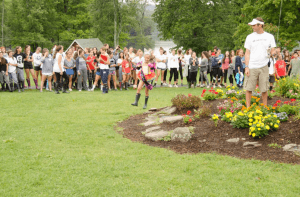 Camp traditions are kind of like an inside joke between friends; you really have to be there and be part of it to understand and appreciate the power and the feeling that is associated with them. Camp traditions are things that happen at camp that every camper and staff member can relate to, whether they went to camp 70 years ago or are experiencing it now for the first time. They are a way for campers to connect with their fellow campers, their counselors, and the camp itself. Some “traditional” traditions at camp like singing Friends and the Camp Starlight Alma Mater, All Camp Show, Opening Campfires, skipping around the flagpole, divisional cheers, and singing in the dining room create a sense of connection and belonging to the Starlight family. Many traditions at Camp Starlight are held sacred to campers and counselors alike, and they’re just one of those things you have to experience to truly understand.
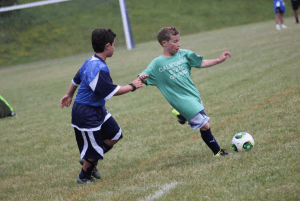 Unless you live on 100+ acres of grassy fields, on a lake, complete with swimming pools and tennis courts, an equestrian center and hundreds of your closest friends (and if that is the case, lucky you!) then it may be hard to stay as busy and active at home as you do when you are at camp. When you spend your summer at camp, you are surrounded by nature, you have access to almost every sport and activity you could imagine, and it is easy to spend your days literally running from one adventure to another. Campers can’t help but feel exhausted at the end of the day; thanks to all of the activity they do on a daily basis.
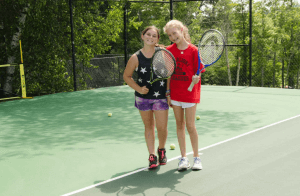 Staying active during the fall and winter months is very important to your overall health. When you feel good physically, other aspects of your life seem to follow. Your confidence begins to improve, which helps you build healthy and strong relationships. Exercise has been scientifically proven to release hormones that help you focus in school, help you get a good nights sleep, and help to promote strong bones and muscles. It is great for your heart, and the endorphins released when you exercise gives you an overall great sense of happiness.