


 In Last Child in the Woods, Richard Louv retells a moment in a restaurant when his son asked, “Dad, how come it was more fun when you were a kid?” Louv had been telling his 10-year old about how he caught crawdads by stringing bits of liver across a creek. When asked to explain, the son replied, “Well, you’re always talking about your woods and tree houses, and how you used to ride that horse down by the swamp.” At first, Louv thought Matthew was irritated and owns up to the fact that like other parents, he can romanticize his own childhood at the expense of his children’s current experience. But Matthew really felt that he had missed out on something, and Louv realized that his own childhood had been different.
 If you’re in Louv’s age bracket, you may also recall a childhood filled with a kind of free, natural play that today seems like an antique artifact compared to current kid’s lives. Lives filled with mobile devices, instant messaging, screen time, digital games and fears of “things” outside. In his book, Louv explores “the increasing divide between the young and the natural world, as well as the environmental, social, psychological, and spiritual implications of that change.” He discusses the accumulating research that implies that secure children (and adults for that matter) must connect with nature to fully develop. This need for contact with the natural world is as imperative as good nutrition and adequate sleep. So, while multiple reasons give us less and less time to connect outdoors, more and more studies suggest that embracing nature is a human necessity.
The ways in which children understand and experience nature has changed beyond recognition for Americans born during the last two decades. While children today may be more aware of the global threats to our larger environment, they are much less aware of their immediate natural surroundings. As children, Louv and his peers may not have discussed global warming, or holes in the ozone layer, but they loved “their woods” and fields intimately and felt connected to the people and their location in the world. They identified specific bends and crooks in creeks and holes in backyards—explored the woods in solitude, lay in fields listening to the wind and marveled at clouds shape-shifting overhead.
 Louv discovered that many people yearn for what they have missed living in de-natured environments and they are consciously making choices and decisions to ensure that they will not be “the last children in the woods.” Families and intergenerational groups are finding ways to better live with nature and each other. Summer camp, for example, is one marvelous way for youngsters to make long-lasting memories and deep connections in natural surroundings. With easy access to the great outdoors and opportunities to develop self-reliance within a nurturing community, today’s campers will remember fun-filled childhoods unplugged from urban life—and share their unique memories with future generations.
How can you make sure that you and your kids don’t miss out on the benefits of exploring outdoors? (For the record, I’ve been known to insist that my children at least squish mud between their toes and jump in puddles!)
Deborah-Eve

 According to the
 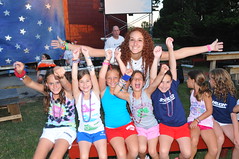 Bunkmates must also learn how to navigate the waters of communal decisionmaking. They must work through the inevitable issues and conflicts that come up in bunk living — and they must learn to adapt and get along when things don’t go their way. They learn to live by the will of the majority, while at the same time respecting the needs of others who represent the minority. Again, according to the ACA, “small group living also provides the necessary intimacy for individuals to achieve a sense of belonging, explore a variety of group roles, cooperate and form relationships with others, and have input into the group’s activities”.
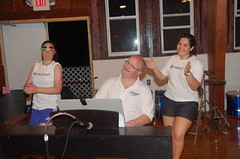 Although sometimes I am annoyed with how much of my life occurs online, there’s no arguing that modern social networking has helped nurture the lifelong friendships developed at camp. Now, instead of waiting days or week from a letter from a camp pen pal, you can send a text message, IM, or just nudge them on Facebook. Many camps have Facebook groups, some devoted exclusively to alumni from certain years, so the 50-somethings reminiscing about camp in the 70s can be a subgroup of a larger online camp community.
 As parents, we are always on the lookout for experiences that help our children learn new skills. We enroll them in music lessons, martial arts, sports, theatre, choir and, of course, summer camps. But we all know that the best programs (and the best educational experiences) are ones that go beyond the basics of teaching skills to help develop our children’s character. The basics of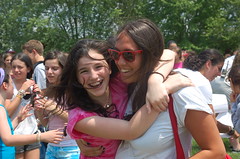
 “I felt like they were living a free life,” she says. The rules were there, just not stressful. This kind of independence creates the necessary space for the foundations of character to blossom. “I could not believe the person he had become – just a new person – totally confident in himself,” she says.
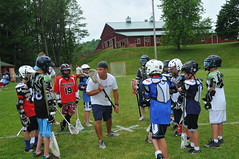
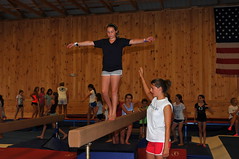 If you’ve been following this blog for a while, you know that we’ve focused a lot on how much fun kids have at camp — learning new sports; spending time with friends old and new; going on amazing trips; connecting with friends and counselors. But camp is also an educational experience for the children. We’re so used to education being “school” that it’s a real shift in perception to see lacrosse, tennis, living in a bunk, and other camp activities as education; but educational activities they are, as many parents can attest now their kids are back in school!
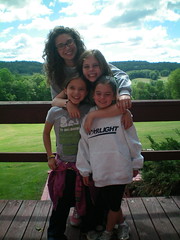
 So what kind of difference can summer camp make to your child’s development? As the Executive Director of the
 “I work really c

 Star light, star bright,
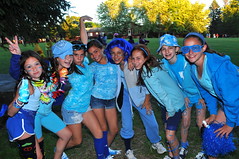 If I could go back to Camp Starlight, I would: