

Posts Tagged ‘Benefits of Summer Camp’

Unique Opportunities at Camp Starlight

Thursday, December 11th, 2014

When your child heads back to school after a summer at Camp Starlight, they will hear a lot of their classmates talking about what they did over the summer:

“I went swimming in my pool. Every day.”

“I played baseball with my friends.”

“I visited my Grandma in Oklahoma.”

But when your child stands up to share his or her experience, it might sound something like:

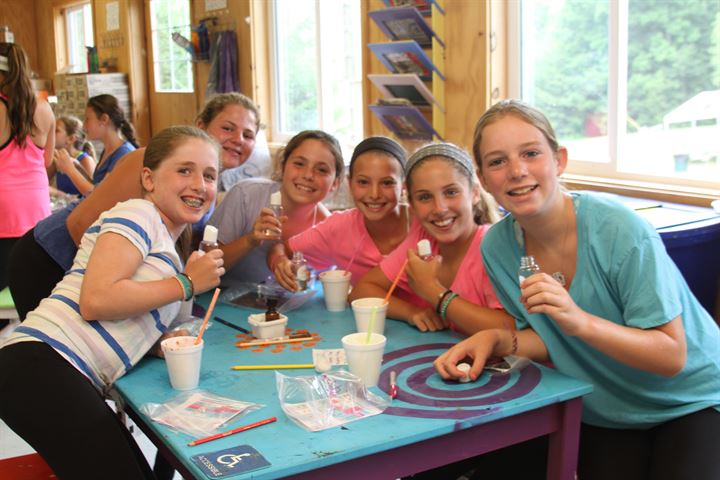
“I don’t even know where to start! I tried archery and gymnastics, I learned to bake INCREDIBLE French pastries, I crafted my mom a necklace in arts and crafts. I swam a lot, but I also went water skiing and sailing! I went camping and learned important outdoor skills. I was in a musical. I even went down a zipline!” 
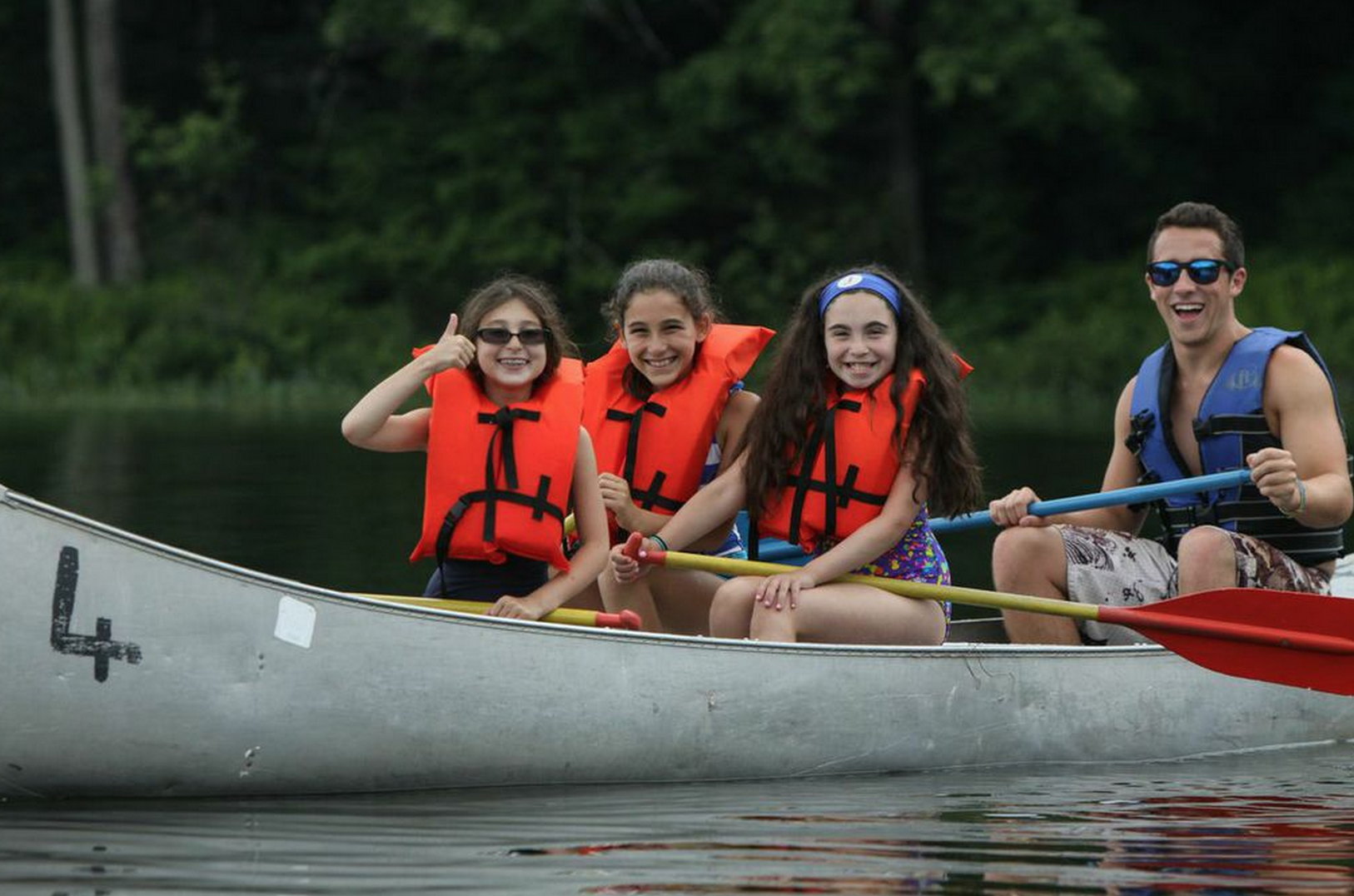
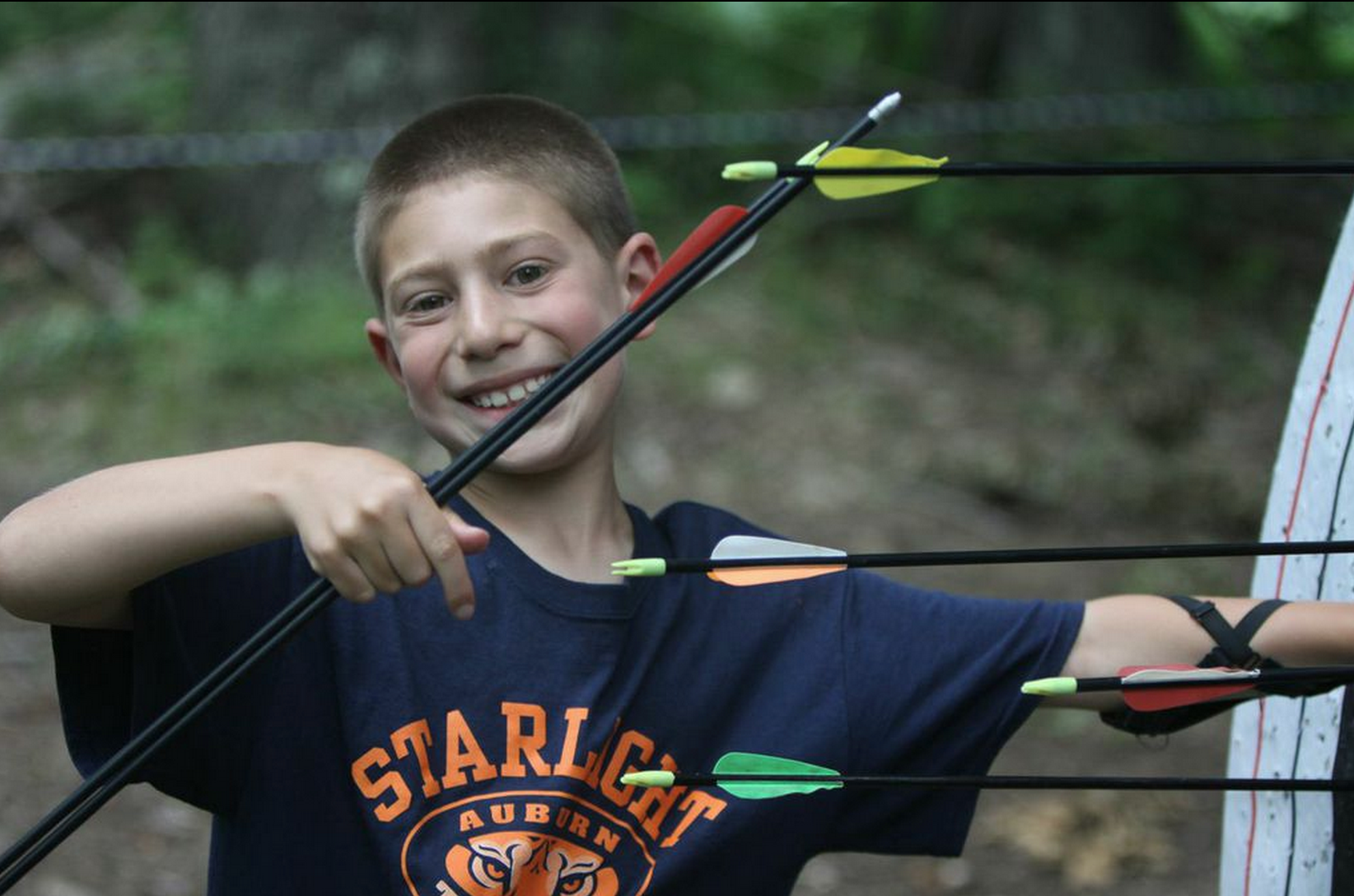
Screen Shot 2014-12-03 at 10.50.28 AMThe great thing about Camp Starlight is that it’s not a place to send your kids where they’ll do the same ol’ thing they’ve always done. Once they step foot onto camp, they’ll be surrounded by new activities. A camper may discover their love for archery or sailing, but would have never had the opportunity to try it back home.

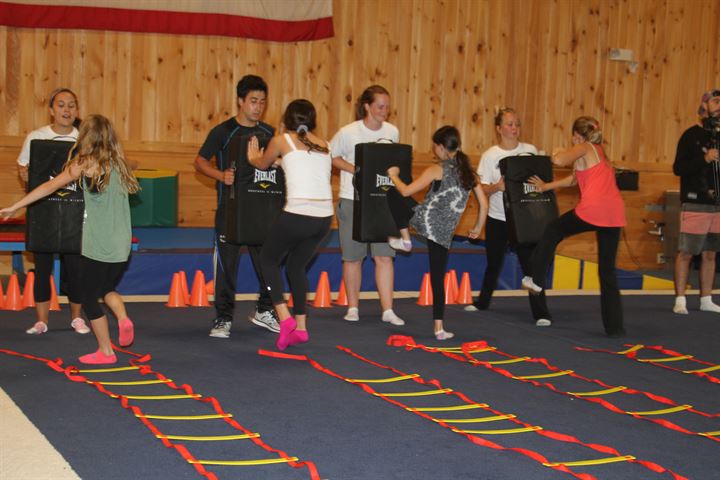
At camp, your child has a hands-on opportunity to learn outdoor skills such as navigating a hiking trail, learning to make a fire, cruising through an outdoor fitness trail and getting pro-level instruction in tennis, lacrosse or basketball. These are things they would rarely have the chance to learn outside of a summer spent at camp. These skills prepare campers with a sense of confidence and self–sufficiency that can be carried over into many other aspects of their lives.

The lessons campers learn while trying out new activities at camp are invaluable. Learning to work together as a team, whether in flag football or during a mountaineering adventure, is an essential character trait built upon at summer camp. Campers learn to trust themselves and step out of their comfort zone, while also learning to trust their peers and building lifelong friendships in the process.

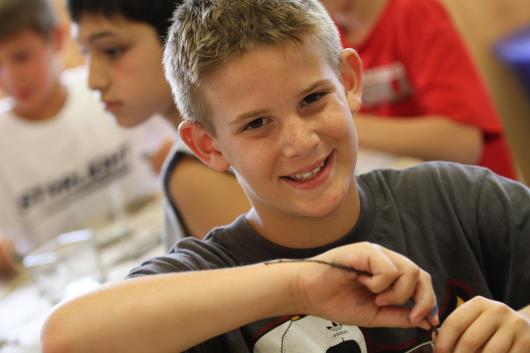
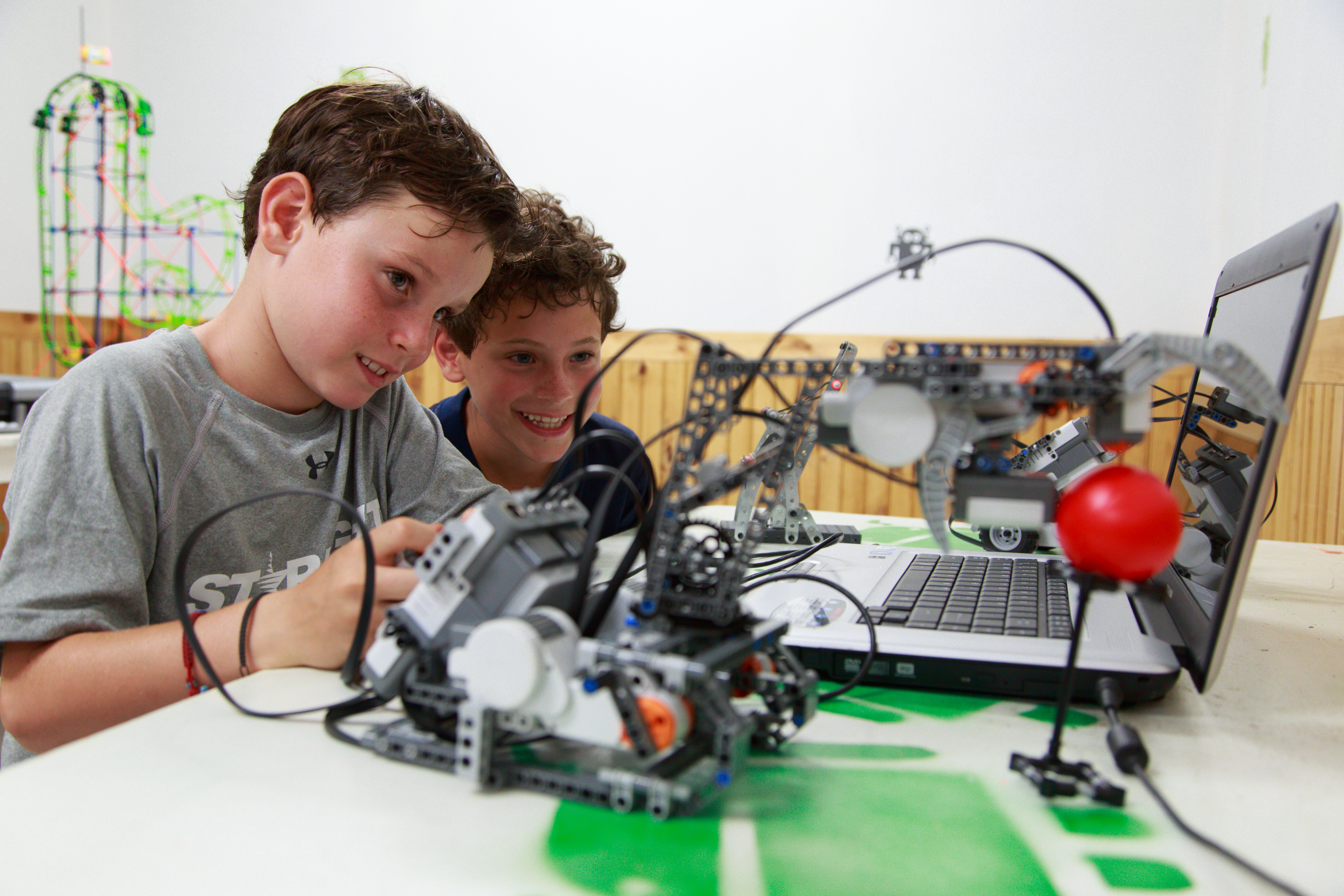
Campers can explore their creative side, and try new artistic outlets not found in their typical English class or art elective. Jewelry making, cartooning, ceramics, music production, jazz dance and cooking are just a few activities geared toward right-brained campers. When was the last time your child had the opportunity to really get their hands dirty and create a piece of ceramic art? Or learn first-hand what beautiful art can be created out of a piece of scrap metal? At summer camp, giving each camper a once in a lifetime experience is our goal, and we strive to make sure there are unique opportunities for everyone to take part in. Screen Shot 2014-12-03 at 10.49.54 AM
Your child could go back to school with thrilling adventures of playing Bingo with grandma in Oklahoma or delight the class with play-by-plays of their neighborhood baseball games. Or they could teach their class a thing or two about archery, French pastries, sailing, outdoor skills, jazz dance, flag football, ceramics and what is involved in training for a triathlon, just to summarize their first couple weeks at camp.

Give your child the gift of brand new experiences by sending them to a camp where they can do it all. It’ll be a life changing experience for the both of you.
 

Interning at Camp: The Ultimate Summer Job

Tuesday, December 9th, 2014

In today’s society of college students there is an underlying pressure to get the coveted internship or summer job to boost your career. According to dictionary.com, an internship is defined as “any official or formal program to provide practical experience for beginners in an occupation or profession.” The experiences our staff endure and take away from working at camp are limitless, but the idea of a camp internship can easily translate to many fields in the workplace.

Connor Lange, a recent graduate of Iowa State University completed an Exercise Science internship while working at camp as a Fitness Specialist. Lange shared what he learned from his experience, “I learned how to effectively manage my time, coordinate events for a variety of age groups, communicate with both facility and the kids, work as a strong team, and manage my work life and personal life in an effective way.”
10526136_10152177443296960_5570309213981646310_nWhile working at camp is indefinitely a fun experience, being able to take away real skills and knowledge for future careers is a translatable yet rewarding experience. There are thousands of options of companies; an organization to intern with, but camp does offer something special. Lange went on to mention, “I would recommend Camp Starlight over a traditional internship because I learned more about the aspects and skills needed to be successful in my work field. Also, during my summer at camp, I learned more about myself than I ever thought I would. I learned more about myself this summer than I did in my four years at college.”

Austin Nelson, a Senior at Ohio Northern University studying Business Management recently completed his internship working as apart of our Programming and Operations Department. Nelson eventually would like to work in the sports industry and shared his experience about this past summer, “Coming from a non-camp background, it was interesting to see how Starlight operates and runs as effectively as it does. I learned how to meet deadlines effectively, work with all different kinds of people, and balance the idea of work and play at camp.”

Another huge benefit of working at camp is the ability to have so many co-workers and learn from all different personalities. With staff coming from all over the world, the culture and diversity at camp is unlike any other. “I cannot think of any internship or even study abroad program that offers the same level of diversity that a summer camp does. I learned so much about other cultures. I would not have learned this in a typical internship position,” Nelson added. Rather than being a typical intern, our summer staff are growing, learning, and enjoying the summer as the best two months of their lives.

“The camp atmosphere is truly evident because of how passionate all the staff members are about making the summer the best summer of their entire life for not only the kids but for everyone else in the camp, said Lange.”

While some may not think of camp as a place to intern, Starlight offers internships for all majors and works with many colleges and universities to create distinguished, one of a kind internships for our staff. Even with the stress of getting that sought-after internship, sometimes the simplest things like camp can provide the most gratifying experiences.

Leap Of Faith

Thursday, December 4th, 2014

She wasn’t sure what was going to happen first: either her heart was going to beat itself right out of her chest, or the butterflies, no, eagles that were soaring around in her stomach were going to somehow find their way out.

Screen Shot 2014-12-03 at 10.42.45 AMNervous didn’t even begin to explain how she was feeling as she looked up the gigantic rock wall. She knew all she had to do was put her feet, which were now firmly planted on the ground, on one of those colorful rocks, reach up with one hand and grab another one, and she would be officially off the ground. As her sweaty palms met the first rock, her counselor spoke quietly right behind her, whispering words of encouragement and support. As she took the next step and inched her way up the rock wall, she had to remind herself to breathe. Then she heard her friends, encouraging her and cheering her on. Left foot, right hand, right foot, left hand, she said to herself. The further she got from the ground, the louder the cheers became. She was actually doing it! She was climbing the rock wall that she said from the moment she stepped foot onto camp that she would never do. She wanted to look down to see the crowd of people cheering her on, but she decided she’d just focus on getting to the top.


As she stopped to take a breath, she looked around and marveled at the sheer beauty the camp was enclosed in. The tall trees, the blue waters, the sprawling green lawns; she had never seen camp from this viewpoint before. She knew she was halfway there because her friends’ chants told her so, and she suddenly got a boost of energy and continued her trek up the rock wall. Just a few more rocks to climb and she will be at the top. She wasn’t sure when her nervousness turned to excitement, but as she reached for the top of the wall, she felt a power and a confidence she had never felt before. The entire camp erupted in applause and she screamed “I DID IT!” at the top. As she propelled down to the crowd of supporters, she walked away with a new sense of self-confidence and accomplishment.


The rock wall symbolized everything she was afraid of, and she had conquered it. She grew closer to her friends and counselors because of their unwavering support, and she went home with a fresh perspective on obstacles and challenges. “Now, when something is hard or scary, I say to myself ‘I climbed the rock wall at camp. I got this.”


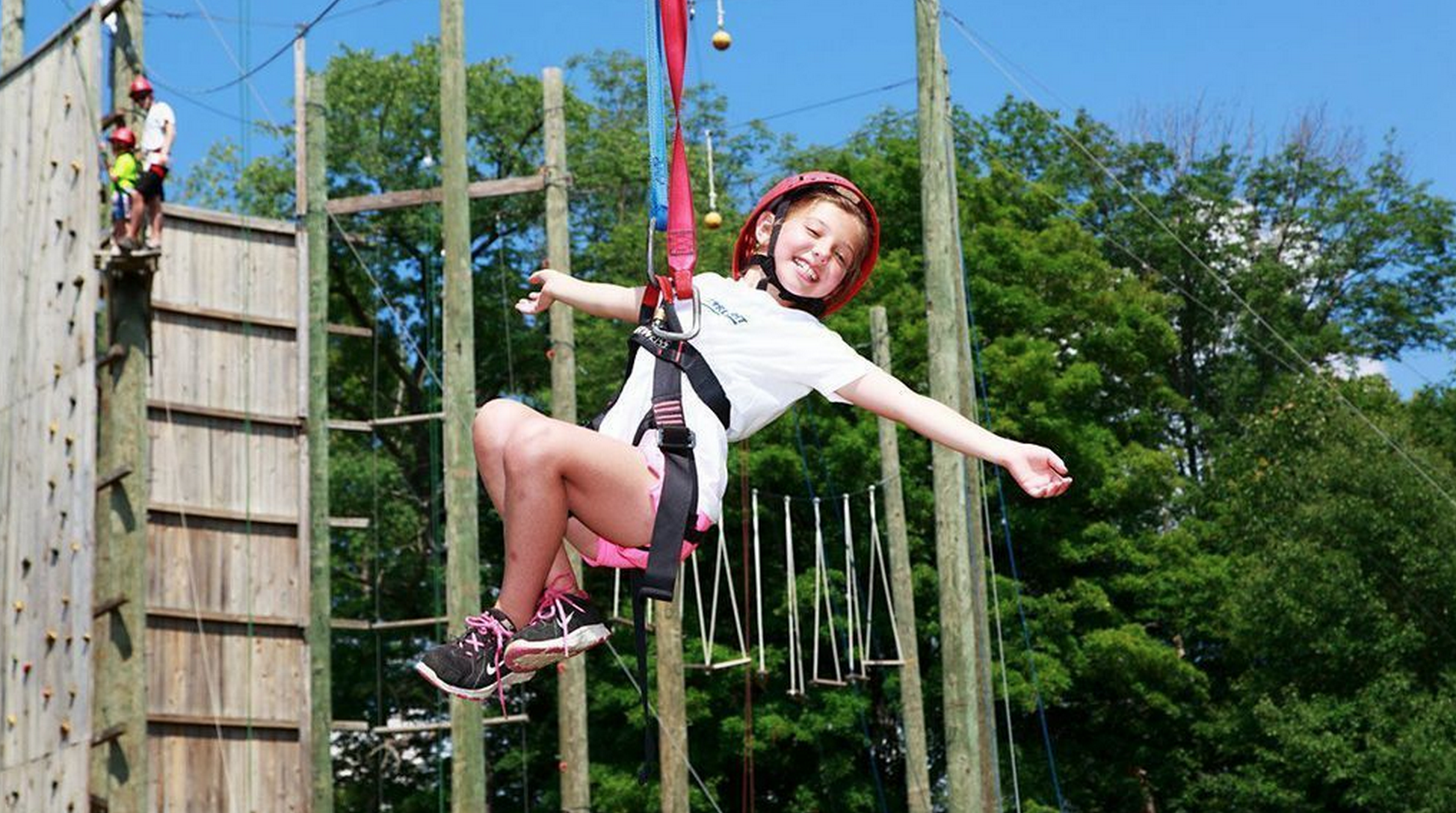
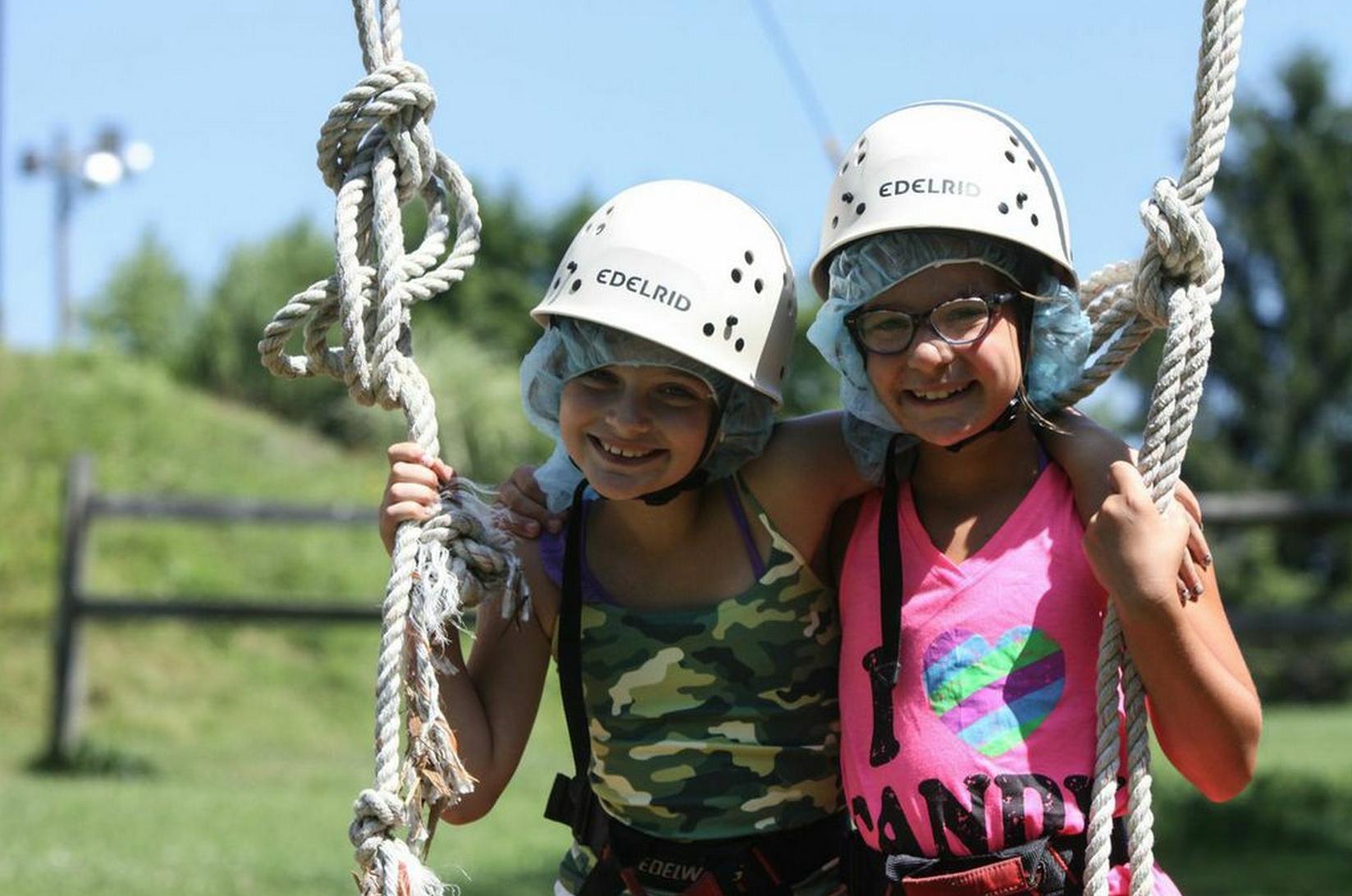
The rock wall, ropes courses, rope swing and zip line are all vital parts of the Adventure Program at Camp Starlight. These thrilling activities push campers out of their comfort zone, and they emerge a little different than they were when they started. Whether they are climbing the rock wall on their own, or working as a team to maneuver through the high or low ropes courses, these adventures help campers excel in areas such as teamwork, leadership, goal setting, cooperation, positive risk taking and trust. These vital characteristics are taken from camp and built upon in the outside world, creating well rounded, brave individuals who work well in group settings, set goals and meet them, and can trust others as well as themselves. Who would have thought soaring down a zip line or flying through the air on a giant swing could be so important for a child’s emotional well-being? Screen Shot 2014-12-03 at 10.41.06 AM

Inner strength, confidence and accomplishment aren’t only gained through climbing great heights. Overnight camping trips are available for older campers via the Adventures Program, and offer a wide range of benefits for those to take part in it. The survival skills the campers will learn will give them a peace of mind that they have the tools they need to make it should they ever get lost in the woods. This also teaches them self-sufficiency, trusting their instincts and being in touch with their surroundings. The over night camping experience helps campers develop a strong sense of teamwork, as they work together to set up tents, build fires, and explore the woods.


What some campers accomplish on two feet, others can accomplish on two wheels! Mountain biking is another popular feature of Adventures Camp, and is an exhilarating way for campers to experience the outdoors. They will learn bike safety, get a great workout and experience the thrill of positive risk taking.


As campers climb, camp and cycle their way through camp, they are creating lasting memories and experience adventure in a safe and supervised environment.


Campers often write home about taking the “Leap of Faith” a favorite camp tradition that involves climbing to the top of the star jump taking a deep breath and jumping off, placing all of your trust in the ropes and harnesses that are attached to you. The scariest part is making your feet leave the platform, but once you do, you’re in the air and everything that was scary and impossible about making the jump is far behind.


Campers will come home from camp different than from when they arrived. They will come home more self assure, confident, brave and strong; thanks to all of the amazing activities like the Adventure Program that Camp Starlight has to offer.


OMG S-Day

Tuesday, August 5th, 2014

S-Days at Camp Starlight are often a time of relaxation and fun. The Upper Inter and Lower Deb girls received just that when Camp Starlight partnered with Oh My Girls . Oh My Girls is “a health club designed exclusively for girls ages 8-18” as their website (ohmygirls.com) describes. The mission of Oh My Girls is to “create an environment that aims to put the fun back in girlhood while guiding its members toward healthful and successful living in a most challenging time.”

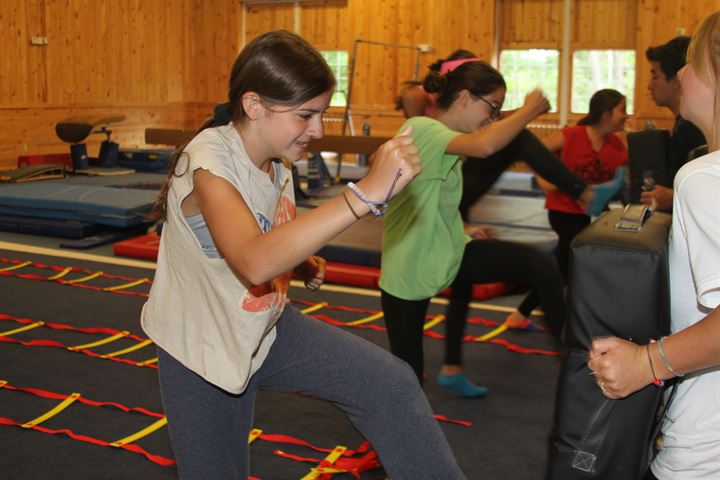
In a session focusing on the girl’s relationship with the outside world, Eugene Gerhman, Presirdent of  Krav Maga Centers Of America taught self-defense moves and Krav Maga martial arts techniques. “My favorite part was learning self-defense tips and what to do if you are in a dangerous situation,” said Dani S. an Upper Inter.

“Everyone was interested and excited the whole day about what was next,” said bunk specialist Mollie F.  Next on the Oh My Girls S-Day agenda was creating all-natural skin products. The sprays can be used on their hair, face, and skin. The girls created a cooling spray, bug repellent, hair spray and sun burn healing spray.  “I liked making different products because I learned about taking care of myself and my skin,” says Upper Inter Marlie K.

“I’ve already started using the hair product in the shower and the cooling spray,” Lower Deb Reese C. added.

The girls also focused on eating healthy. While making fruit smoothies the girls accepted the Spinach Challenge by adding at least one leaf of spinach to their smoothies. The girls learned that eating healthy can be tasty. Reese C. added one leaf of spinach last year and decided to up the ante by adding 2 leaves of spinach to her berry smoothie.

Without a doubt, the upper inter and Lower Deb girls left the Oh My Girls session feeling confident, empowered and pampered.

Camp Friends

Saturday, May 24th, 2014
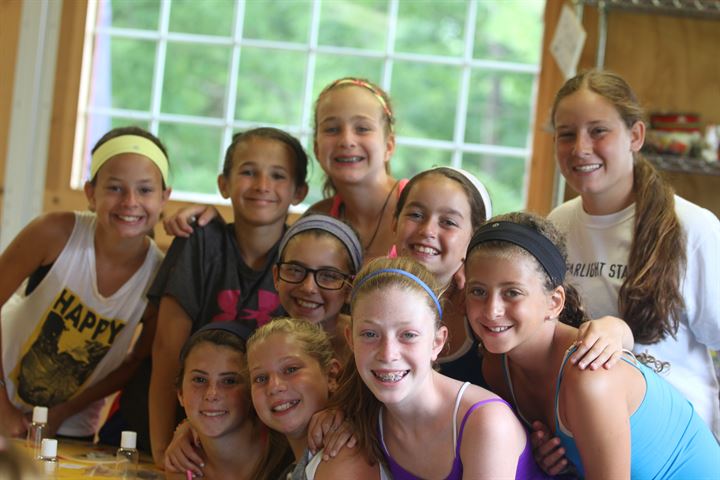
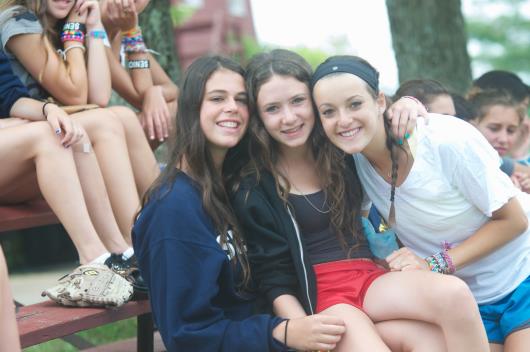
Dictionary.com defines a friend as someone who is a “patron or supporter.” Whether you’re a child or adult, chances are that your friends are a crucial part of your life. Of course, there are different kinds of friends and some are closer than others. They’re all very special. However, there is one type of friend who is the most special — the camp friend. For those who have never experienced summer camp, it’s difficult to grasp the idea of forming a lifelong bond with someone with whom you spend time for weeks each summer. Yet, that is exactly what happens for the millions of campers who attend summer camp each year. There are many reasons why the summer camp environment actually facilitates friendship.
Children don’t have play dates at camp where they meet someone for a few hours and then return home. Campers play together, eat together and live together. They have constant contact, which psychologists say leads to an open environment, conducive to making friends. The more time campers spend with each other, the more they get to know each other, and the less they feel the need or desire to shield aspects of themselves from each other.
Common experience is another crucial element to friendship bonds, and camp friends are special because they share a very special commonality. The things that happen during those weeks at camp each year are shared by a relatively small circle of campers who attend a respective camp.
By attending summer camp, campers develop shared traditions. Camp traditions bond children to each other. They add a sacred element to friendship. Much like sorority or fraternity membership develops friendships leading to a lifelong network, so to does summer camp. Camp encourages interaction. Too often, an inhibitor to those who have trouble making friends is a lack of social maturity. Whether it’s on a sports field or court, sitting at table in arts and crafts, enjoying a meal together, or relaxing in a bunk or cabin, the camp environment is social. Campers are not without adequate time for introspection, but the opportunity for learning how to be with other people is there.
Summer camps focus on harnessing moments and making them special and fun, whether or not they are planned. Not only does this teach children to have a great amount of flexibility both individually and with each other, it teaches them to remain positive. Positivity helps children remain in an open and accepting frame of mind. Camp friends are definitely some of the most special friends.  Friendships made in camp are bound by a commonality of experiences that may very well be cherished for a lifetime.

Who Goes to Summer Camp?

Tuesday, April 1st, 2014

A question about the type of children who go to summer camp recently popped up on an internet parenting debate board. The parent in question was considering sending her daughter to a summer camp but was afraid that she would not fit in. Among those offering an opinion, there were a lot of ideas based on stereotypes that seemed mostly derived from what people had seen in the movies rather than firsthand experience. Interestingly, not one of those people participating in the discussion actually sent their children to summer camp. But they knew someone, who knew someone who did. It was like the six degrees of Kevin Bacon summer camp style. But we do know summer camp. It is our lives, not just every summer but throughout the year, and we can describe firsthand the type of children who go to summer camp. Everyone!

It’s true. There really is not a specific type of child that goes to summer camp. Campers who attend the many thousands of summer camps throughout the United States each year come from all walks of life, countries from around the globe, and have about as many different interests as there are types of camps. Here’s the secret. It is not about being the “type” of child that goes to summer camp. It is about finding the summer camp that is right for your child. Camps throughout the United States cater to different interests, budgets, schedules, religious faiths, just about every variable of which one could imagine. Closer to our own home (and hearts), America’s Finest Summer camps fall more into the traditional summer camp category. They are not strictly sports oriented. In fact, they offer plenty of niche activities. But they, as most traditional summer camps, are still considered “sports camps” because there is a lot of physical recreation. Children are encouraged to be active and enjoy the outdoors. Roughly half of each day at a traditional summer camp is focused on sports related activities. It goes without saying that sending a child who is not interested in sports to a seven or eight week camp with an athletic heavy program is probably not a wise choice.

For those ready to cross traditional camps off of your list because you’re sure your child is not the type of child who goes to a traditional style residential summer camp, consider an alternative that is rapidly rising in popularity before you do: choice oriented summer camp programs. Choice oriented camps are sort of a hybrid between a traditional summer camp and special interest camps. In fact, more and more camps are now making their programs more choice oriented because these types of camps have become so popular with campers and their parents over the past several years. Camps that offer choice programs allow campers to decide which activities they do each day. Choice programs vary in the amount of control given to campers. Some offer schedules that are partially determined by the camp with campers having the opportunity to choose a certain amount of their daily activities. Other camps give campers total control, which means that even if the camp is technically considered a traditional sports related summer camp, campers have the opportunity to determine their level of athletic participation. Camps that offer full choice programs tend to draw a slightly more diverse set of campers than traditional sports camps and are typically a good fit for campers who want the traditional summer camp experience but who have special interests on which they’d prefer to focus.

The length of the camp is key in determining whether a camp is a good fit for your child. Children who have never spent any time away from home or who have never attended day camp may find a sleepaway camp that lasts the full summer a bit overwhelming. And who could blame them? Imagine being a child who has spent every day of your life in an urban or suburban setting with mom and dad who suddenly finds yourself sleeping in a bunk or cabin with eight or ten other kids and a couple of college age strangers you just met in the middle of the woods. Yep…a bit of a culture shock, and for children who tend to be a bit skittish, shy, or particular about their daily and/or nightly routines, usually not a good one.  In fact, most full summer camps recommend and even prefer that new campers attend day camp for a summer or two prior to enrolling for a residential program. For those wanting to test the waters with a sleepaway experience, consider trying a session camp with shorter sessions, usually three or four weeks.

All of this is not to say that there aren’t certain attributes that help a child become acclimated to a summer camp environment faster than others. Outgoing, open-minded children who are willing to try just about anything usually get off the bus on their very first arrival day and blend right in as if they’ve been going to summer camp their entire lives. Children who tend to be more reserved may take a bit longer to ease into summer camp life, but the environment of summer camp tends to be one that facilitates acceptance and there are very few types of personalities that don’t eventually hit their stride. Generally, once children meet that special friend or find that favorite activity, self-confidence grows by leaps and bounds and any sort of trepidation they may have had when they arrived is left behind. In that regard, camp can actually be a good experience for those children who could use a little boost in the area of self-confidence.

So, if you’ve been thinking about sending your children to summer camp but haven’t because, like the parent on the parenting debate forum, you aren’t sure whether your child will fit in, remember that it’s really more about finding the right camp for your child’s personality and preferences. Once you find that, chances are that you’ll also find a group of campers with which your child will fit right in!

Yes, You Can

Tuesday, March 25th, 2014

“No” is a word that children hear a lot. No talking in the classroom. No running in the hallways. No playing ball in the house. No to anything that gets clothes dirty. No. No. No. With this in mind, it’s no wonder that “yes” is one of the many reasons that children so eagerly anticipate camp each summer. Of course safety is always a factor, and children also have parameters at camp for that reason. However, those parameters extend much further at summer camp than they do at home and school. At summer camp, campers are encouraged to climb walls, zip down ropes, run, get dirty and play ball. Even when they express doubt in themselves, they are encouraged with, “Yes, you can.” There is no pressure to be the best at something or to even be good at it, simply to try it. With such encouragement, many campers venture into previously unexplored territory and discover that they can, in fact, do things they previously thought they couldn’t.

The benefits of such encouragement extend beyond the development of courage to try new things. Children become more open to possibilities. They develop the skills to venture out of their comfort zone and examine situations from different angles. A refined sense of creativity helps them attack tasks that previously seemed difficult or even impossible. They learn to comprehend the importance of trying, particularly when the time and place is right. With such perspective, “no” and “yes” become words less associated with ability and more associated with restraint. If they’re talking in the classroom, they can’t understand what the teacher is saying. School is not an environment that makes running in the hallways safe. Things tend to break when they play ball in the house. The clothes they wear when they’re not at camp are just a little nicer than the ones they tend to wear at camp. In contrast, camp is a safe environment for them to talk, laugh, run, play, climb and get messy in ways that are productive. In short, it’s an environment with less restraint in mind. Once children are able to understand the symbiotic relationship between “yes” and “no,” they are better able to accept “no” for what it actually means: It’s not in your best interest.

Camp Pets

Saturday, March 8th, 2014

Experts unanimously agree that there are benefits to pet ownership for children. In addition to teaching them responsibility, pets also entertain children, keep them active, alleviate stress and teach them about life. For some families, however, busy lifestyles make pet ownership impractical and even unrealistic. Enter another little known benefit of summer camp: summer pets. Many camp nature, exploration, and eco-science programs include an animal or two. Because of allergies, camps tend to shy away from common household pets such as cats and dogs. Rather, animals with naturally reserved demeanors that are easy to handle like reptiles, rabbits, turtles and guinea pigs are preferable when it comes to camp pets. As a result, even campers who have pets at home get the opportunity to handle, care for and observe – to their comfort level – animals they may not frequently encounter. Those campers who do not have pets at home get to experience the joy of pet ownership and all of the benefits of it while those campers who do have pets at home tend to miss them less when their camp has animals. Camp pets sometimes double as mascots and campers come to view them as part of their camp. Best of all, everyone at summer camp, regardless of whether they have pets at home or not, has the opportunity to have a pet for at least a few weeks each year.

Media Break

Thursday, February 27th, 2014

Do you ever find yourself wishing your children would put their phones away for one day? If so, then consider an opportunity for them to put their phones (and all other forms of media) away several weeks. One of the primary goals of summer camp is to encourage children to be active while interacting with each other and the environment. In order to facilitate this, most camps have strict restrictions regarding the use of technology. Neither campers nor staff are permitted to have phones, laptops, television, video games, or anything capable of accessing the web. If you think you can hear your children groaning already, think again. Most campers actually report that they enjoy the media break camp provides.

With conditions such as social media anxiety and Facebook fatigue on the rise, it’s no wonder that campers value a break. Not only is it a nice reminder that there is more to life than Twitter or Instagram, time spent with friends at camp reiterates the value of interpersonal communication. Body language speaks volumes. LOL is never quite the same as the sound of a friends’ laughter, and ROFL never has quite the same effect as actually seeing someone so doubled over with laughter that they’re rolling on the floor. The formers are strictly exchanges. The latters are experiences, and it’s experience that makes memories. Virtually no one ever mentions that time that “so and so” texted “such and such.” But they do recall that time by the Waterfront…or in the bunk or cabin or…in the Dining Hall, etc. for several years after it happens. Those are the types of memories over which campers exchange fond tears on the last night of their last summer at camp and, in many instances, the many post camp reunions to come.

Seeing and hearing real time reactions also keeps children in touch with acceptable behavior when it comes to communication. By seeing firsthand how people respond to them, children are able to gauge when they’ve gone to extremes that may be hurtful to others. Likewise, they are also able to take note of those conversational approaches that receive positive responses from camp friends as well as those that even help them make new friends. In other words, campers don’t miss their social media because it is replaced with time with each other.  Children are less likely to bully each other or express thoughts or ideas they may later regret. In short, people are a much better deterrent to unacceptable behavior than a monitor or phone screen. There is much more immediacy in accountability.

The media break that camp provides helps children put social media into perspective as well. They come to understand that social media is just an interim form of communication rather than the exclusive form. Yes, it’s a fun way to keep in touch with friends, including those camp friends who live far distances and are rarely seen away from camp, but it’s also not the sum total of life. Rather, it’s a fun tool for engaging with others when it’s not possible to see them in person, and its importance should not be overvalued.

Most importantly, what children learn during their media break at camp is that they can live without it. Not only is it possible to live without it, life can be enjoyable while doing so. Chances are, those who have been to summer camp think twice before declaring that they could never live without their phone or other media devices, because they know otherwise. And they also know that sometimes the fun of communication is the creativity with which they must go about it in interpersonal situations.

A College Case for Camp

Thursday, February 20th, 2014

One of the most understated advantages of summer camps is how much they do to help prepare older campers for life after the summer.  Increasingly, sleepaway camps are taking an interest in providing older campers with valuable experiences that will help through the college application process and later in life. Leadership programs, college visits, and community service are just a few of the offerings of summer camps for older campers, and statistics show that there is a college case for them.

There is a rising trend of college admissions foregoing standardized test scores in favor of applicants with diverse backgrounds and experiences. An article on www.education.com revealed that colleges are realizing that high standardized test scores are not necessarily indicative of good students. Rather, those students who demonstrate well-rounded backgrounds with involvement in a variety of activities, such as summer camp, generally make good students because they learn valuable skills through these activities. Beyond the activities themselves, however, colleges are considering the value of them by examining how applicants engaged in them. In other words, colleges considering activities in lieu of test scores aren’t just placing heavy weight on applicant involvement in activities such as summer camp, they’re placing considerable weight on what applicants did while involved. This creates prime opportunity for summer camps to step up and showcase just how much campers benefit from returning each summer, and many camps are answering the challenge.

Campers attend summer camp for several years—sometimes as many as eight. The summer camp environment is the perfect place for them to engage in fun activities with friends that teach skills that college admissions teams find valuable. Through special activities and opportunities to take charge of younger campers, teenage campers learn to be effective leaders. Some camps also offer extended counselor training programs that provide high school campers with the opportunity to take on staff roles at camp. Often, these types of programs are the first work experience for campers eager to take on leadership roles at the beloved summer home where they grew up.

Beyond counselor training programs, or sometimes in place of them, a handful of camps also offer exclusive, highly customized programs in which campers learn how to communicate effectively and support each other. Such programs teach inclusion and help older campers develop a resistance to falling prey to common teenage stumbling blocks such as gossip, bullying, or negative peer pressure. Camps often work with professional psychologists, counselors, life coaches, and even nutritionists to maximize the benefits of these programs. These professionals are frequently featured guests who engage campers in special activities that demonstrate life lessons in fun and engaging ways.

There is also a trend in camps taking on the task of taking campers on tours of a variety of college campuses. Many camps in the New England area are within proximity to some of the most esteemed institutions of higher learning in the nation, and they arrange formal tours so that their older campers can actually get a glimpse of college life. Moreover, college tours prompt students to begin considering the qualities for which they are looking in a college, such as size, geographic location, and extra-curricular offerings by seeing firsthand how these factors affect the college experience.

Community service programs are also a rising trend in camping, surprisingly, often by camper request. Campers grow up in camp learning to be a member of acommunity. They develop such a respect for that community and everything it has contributed to their lives that they actually want to give back. They see the value in passing on the rites and traditions with which they grew up to others. While some community service programs stay within the camp campuses, others reach well beyond camp and extend into the local or even national community. Camps openly support charities and plan special events dedicated to those causes, which means that campers are learning from an early age the value of community involvement.

Parents wondering if summer camp is still as beneficial to their children as teenagers as when they were younger need only look at college admission trends. Chances are that camp could be that all important deciding application factor and the skills teenage campers bring away from their final few summers at camp may well be much more valuable than you thought.