Posts Tagged ‘summer camps’

The Fun Doesn’t Stop after 5PM!

Wednesday, January 18th, 2012

It’s January.  The kids just returned to school after their winter break, from which you’re still exhausted.  You’re already thinking about summer.  Entertaining them for two weeks was hard enough, let alone two months!  Maybe it’s time to start thinking about summer camp.  Yes, it’s January.  Yes, this is the time of the year when most of us start monitoring the morning radio and news reports for school closings and delays.  But summer is closer than you might think and now is the ideal time to start choosing a camp.

Summer camps come in many sizes and lengths from around one hundred campers all the way up to several hundred and sessions that last a from a few weeks up to seven.  There is truly a summer camp for every preference and budget.  No matter what type of summer camp you prefer, they all have one thing in common:  the fun doesn’t stop after 5pm!

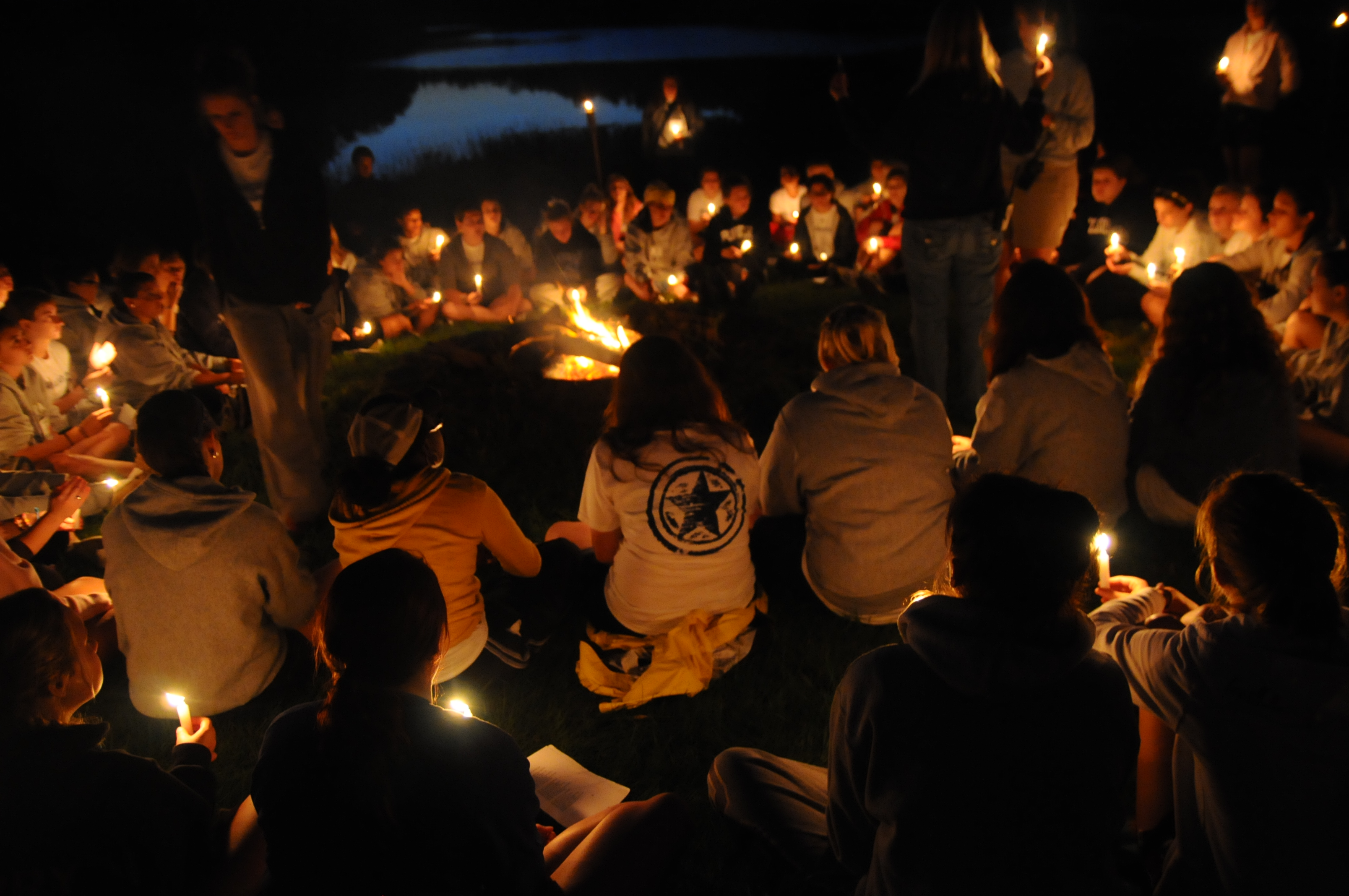
Summer camp doesn’t just occupy your children during those summer hours when they’d otherwise be at school.  It’s a place that entertains them well into the evening hours as well.  In fact some of the best times at camp happen after dinner.  Sure there is plenty for campers to do during the day; play sports, pursue a hobby, swim, boat, play games, make new friends.  But the evening is when some of the deepest bonding moments of the summer take place.  After dinner at summer camp, children don’t retire to the living room sofa to watch television or flip on the Wii.  There are no cell phones in which to engage themselves for hours playing Angry Birds.  At camp, campers may find themselves taking part in a sing along, acting in a camp show, playing crazy games, or watching a magician or hypnotist.  It could be drum circle night or there may even be a campfire with s’mores in store.  Maybe it’s a swim or a dance party…or both!  It could be a sleepover or a night making special treats or craft projects.  Maybe it’s just a night to chill with the bunk or cabin  No matter what the activity, it’s fun and two words that are NEVER heard at camp: “I’m bored!”

Much of the support for summer camp revolves around the skills children develop during daytime programming activities.  The value in summer camp evening activities is often underrated.  However, a great deal of planning intended to extend camp spirit and tradition into evenings.  Camps employ entire teams of people whose sole responsibility is to plan and execute evening activities and special events that enhance the overall camp experience.  While having fun at their evening activities, campers also continue to learn how to shine as an individual, to be part of a team, and to develop their creativity in ways that benefit them as well as others.  At the same time, some of the most prevalent and pervading summer camp memories are made at evening activities.

An investment in summer camp is not just an investment in keeping children occupied during their summer days.  It’s a 24/7 investment that also includes evening entertainment that further develops the skills that are honed during the daytime.  So now and during their next break from school, when your children proclaim, “We’re bored,” think about summer camp.

Another Summer Has Come to a Close…

Wednesday, August 17th, 2011

We can’t believe how fast another summer flew by.  It truly is a privilege for us to be able to host so many campers each summer.  We’re sad that the Summer of 2011 has already drawn to a close, but excited to begin planning for the Summer of 2012.  For us, our greatest challenge is to make each summer better than the previous.  That’s a hard thing to live up to when the current summer has been so amazing!  Collectively, we really couldn’t have asked for a better group of parents, campers, or staff members.  We know that all of you are what makes Camp Starlight!  We can’t wait to meet those who will be joining us for the first time in 2012 and to welcome back all of our friends!  To everyone, here’s to living 10 for 2…until our next 2!

Checking in with J.J. and Dena

Wednesday, April 13th, 2011

We’ve have had a fantastic off-season at work.  I’ve  been busy teaching 4th Grade in Great Neck, while J.J. has been teaching 5th Grade in Valley Stream.  

While being in the classroom is always fun and challenging, we can’t wait to be out on the fields and down at the lake.   There’s really nothing as rewarding as seeing a child beam with confidence when he scores a goal or learns how to kayak for the first time. 

We’ve also been having a blast at home.   We’re officially a skiing family!  Both kids did a great job this winter with trips to the Poconos and the Catskills.   Perhaps next year J.J. will finally get to return to Colorado.  A major highlight for us this year was our first family trip to Disney World!  We soaked up all the fun and excitement the parks had to offer and truly had a blast!

It was so great to see everyone at the reunion in January.  It brought back so many fond memories we shared with the Juniors of 2010.  We miss the little moments like fishing with a milk crate at the swim docks.  When J.J. heard that the circus arts will be coming to Starlight this summer, the juggling clubs came out of the attic. After brushing off a little dust and polishing them up a bit, he has been practicing in overtime so he can show off his skills at camp this summer! Be on the look out for the one, the only AMAZING JUGGLING DIVISION LEADER…coming to Starlight June 2011!

Sparking Creativity Through Campfire

Tuesday, March 15th, 2011


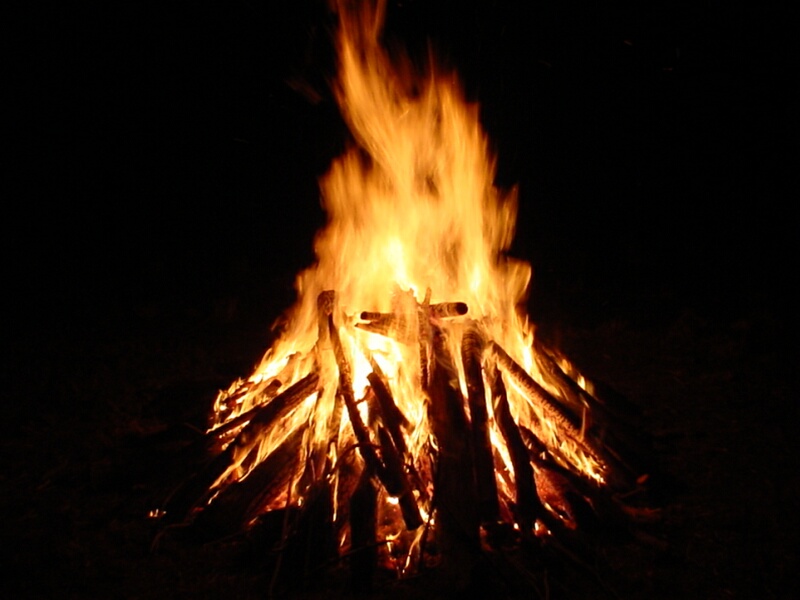
One of the most endearing and sacred parts of summer camp is the campfire.  More than just wood lit with a match, it’s an intimate part of the camping experience that goes far beyond simply sitting around a fire.  Each camp has a set of traditions uniquely connected to the campfire experience and, to campers, each tradition is significant, demanding reverence.  The campfire is the very place where many children recall the moment when their camp transformed from “a camp” to “their camp”, where fellow campers and counselors become family while singing songs, roasting s’mores, and engaging in campfire activities.   So intricate is the campfire to the summer camp experience that even former Disney CEO Michael Eisner has reflected on its importance in making him who he is:

“Simply consider the lessons I was taught by the campfire…every time the rich reward was the same as we simply sat and enjoyed our consuming creation. And, there was one aspect in particular that never failed to intrigue me, and that was the process of seeing the single small flame of the match spread to the kindling and then the twigs and then the smaller branches and finally the larger logs. It didn’t dawn on me until years later, but this was the perfect metaphor for the creative process…Years later, I found myself running a network television division and then a movie studio and now an entire entertainment company. But, much of the success I’ve achieved can be traced to the direct and metaphorical
lessons I learned in building those campfires.”

To some, to assign such significance to fire may seem a bit of a stretch.  But to anyone who has attended camp, it’s not only believable but apt.  Beyond Eisner’s metaphor, the campfire is symbolic of camp, and represents the bonding between campers and nature.  Campfires instantly evoke feelings of togetherness and promote an atmosphere of being together in an intimate setting that is unique to the people who are present.  Many camps hold opening and closing campfires to welcome campers and immerse them in the camping experience and to help them say goodbye at the end of the summer.  At the beginning of the summer, the flames represent the birth of a new summer.  Opening campfires often include some sort of ritual that introduces an idea or process that can be re-visited throughout the summer, such as setting goals for the summer or some sort of introduction and bonding activity with camp “siblings”.  The meaning of the flames, however, transforms at the end of the summer. The burning of a closing campfire represents the end of the season.  It’s a way to give the summer a proper and respectful send off.  Campfires held throughout the summer supplement overnight camping trips and special events.

To say that the campfire breeds creativity is not only accurate, but understated.  The various representations and meanings that the actual fire itself takes on helps campers learn to look at the same thing from different angles, a crucial aspect of honing creative thought and learning to think “outside the box”, which is essential to developing good problem solving skills.  When considered from this perspective, it’s not at all difficult to imagine a CEO of one of the world’s largest companies crediting much of his success to his camp experiences, specifically to the campfire.  In fact, it provides insight about the significance of camp and how the lessons learned there can be carried throughout life.

1,3,5,6 We Want Olympics!

Thursday, March 10th, 2011

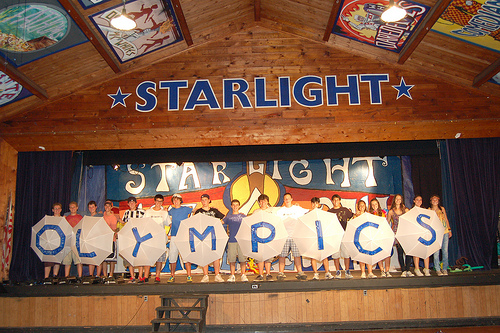
Over several decades, across many miles, and in the heart of campers of all ages lies the excitement of arguably the most anticipated event of the summer. When will it happen? Who will be our leadership? What team will I be on? These questions echo in the minds of campers and counselors alike throughout the school year, and they only grow more intense as the summer progresses. So what is this hallowed event that has everyone’s attention? And what is it about this event that has everyone so excited?

Well, at Camp Starlight we call this thrilling week of spirit and competition Olympics! Our campers and staff pass many a spare moment over the year thinking about what the team names will be, who will be the officers and captains, and what the theme for Sing will be. Once the summer kicks off, and the weeks begin to pass, whispers about when it will break can be heard around camp.

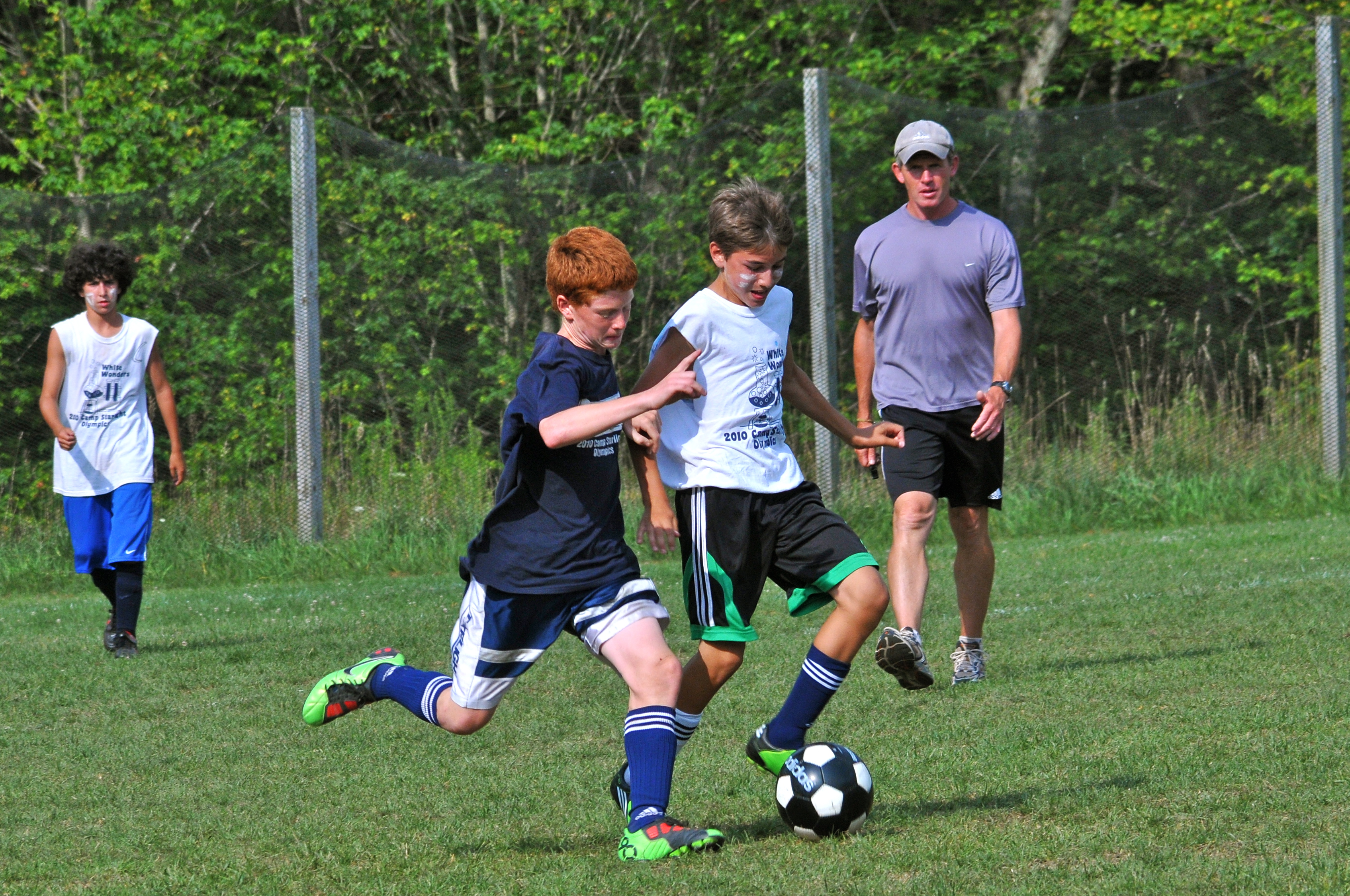
But as anyone who has spent a summer at Starlight will tell you, Olympics is an exhilarating week of athletic, strategic, and academic competition. Whether your strength is playing on the soccer field, catching cheese balls on your shaving cream laden head, or having the fastest buzzer pressing thumb in Wayne County, your team will be depending on your contribution! From the second Olympics breaks to the moment your feet hit the lake after the final scores are announced, the electrifying spirit of the Blue and the White can be felt in the air. At Starlight, there is no doubt that we truly do justice to the time honored tradition shared by summer camps around the country and passed down over many years.

So the next time you catch yourself daydreaming of smearing on your face paint or spraying your hair in your team’s shade, know that there is another Starlighter somewhere sharing in your excitement and anticipation. So until we’re back together facing off on the fields, dodging gigs in our seats, and handing off the baton, make sure to keep “B-L-U-E, we got the spirit!” and “We are the white team! Couldn’t be prouder!” fresh in your thoughts!

Childhood Obesity Part II: Balancing Nutrition and a Healthy Lifestyle

Tuesday, March 8th, 2011

In the first part of this blog series, we discussed the benefits of physical activity at camp.  There are underlying advantages to this that directly relate to nutritional habits.  Research shows that that the more time children spend doing passive activities such as watching television, sitting at a computer, or playing video games, the more likely they are to overeat.  The reason for this is simple.  A sedentary lifestyle leads to boredom.  Nutritionists assert that lack of activity mars a child’s ability to determine the difference between boredom and hunger.  Unfortunately, according to dietician Jennifer Thomas, the increased amount of free time and lack of structure that often comes with summer break makes children particularly vulnerable to tedium and excessive food consumption.  Says Thomas, “A child can pick up 5 to 10 pounds over the course of a summer, so it’s important to recognize the difference between boredom and hunger.”

Concern about the obesity crisis has sprung to the forefront of the camping industry.  Cedric Bryant, Ph.D. and Chief Scientist for The American Council on Excercise, was a keynote speaker at the 2011 American Camp Association’s (ACA) National Conference, attended by thousands of camp professionals.  In his address, Dr. Bryant discussed the growing issue of obesity and praised the ability of summer camp  to transform poor habits through exercise.  Most traditional summer camps offer children a healthy mix of hobbies and athletics.   Camp staff members encourage campers to participate in everything that’s offered to them, even that which they might not necessarily do or try at home.

There is also something to be said for the fact that many summer camp activities, including dining, are scheduled into a child’s day and carried out in a group setting.  Access to food is limited throughout campus, and eating is typically not permitted in bunks. Quite simply, obtaining food at camp is not as easy as walking into the pantry or opening the refrigerator on a whim for lack of something better to do.  New research has established many benefits to family meals.  One potentially underrated advantage is that dining as a unit may keep consumption in check by limiting what nutritionists call the “eating area”, the combination of time and space in which eating occurs.  “This strategy can help determine if they [children] are really hungry or just bored,” says Thomas.  Meals at summer camp are held at specific times in a designated place—usually a dining or mess hall—and campers dine together, often with their bunkmates.  Counselors supervise, insuring that everyone receives food and reporting any changes in a camper’s eating patterns.

The four day 2011 ACA conference also featured  seminars that addressed issues such as how to  work together to improve the overall health and nutrition of campers, understanding the relationship between nutrition and wellness and using that knowledge to help campers be high achievers through healthy bodies and minds, and adding healthy options to dining room menus, particularly for those campers who require special diets.

Indeed, though many camps are constantly striving to improve in these areas, the notions  introduced in these seminars are not new.  Meals served by most summer camps are carefully planned and balanced in accordance with USDA recommendations.  Many camps also encourage their campers to make healthy choices at mealtimes by providing several fruit options in the morning and salad bars at lunch and dinner.  Vegetarian alternatives are typically available and, increasingly, more attention is being given to rising nutritional challenges such as diabetic or gluten free diets.

All of this is enough to make summer camp worth considering as a combatant to the type of lackadaisical lifestyle that leads to poor eating habits and, possibly, obesity.

Shout Out from Schumer

Thursday, March 3rd, 2011

Camp Starlight Boy’s Athletic Director, Adam Schumer, recently checked in to let us know what he has been up to and gave us a couple of exercises to help us train for the 2011 Slope for Lope.

After Camp; Adam returned to his job as an elementary physical education teacher at Forest Hill Elementary School in Palm Beach County, Florida. Adam is extremely busy as the coach of the John I. Leonard High School Wrestling team. His team recently won the Palm Beach Gardens duals, and they have seen remarkable improvement across all weight classes. Adam and his team look forward to the regional, district, and state tournaments.

To keep active during the off-camp season, Adam participates in a number of athletic events. He ran in the Palm Beaches Marathon Festival, where he finished near the top of his age group this past December. Adam also participates in various Adventure Races across Florida.  These races include canoeing, biking, and running. Participants are given a map and are required to check in at various points as they make their way through the course. Adam plans to bring this Adventure Race concept to Starlight this summer.

Adam says the winter season is the perfect time to move your exercise routine indoors, and he suggested a couple of fun winter activities for campers. Younger campers should start practicing some of your favorite circus tricks, such as hula hooping, juggling, or jumping rope (if you have high ceilings). Just make sure you’ve got enough space and don’t damage any of your parents’ favorite furniture! Older campers, keep up the yoga and pilates. They are great for strengthening muscles, improving flexibility,and lowering stress from homework and exams. They’re also easy and inexpensive activities that you can do just about anywhere in your house.

Hopefully these drills help out, and he can’t wait to see you at Camp in June!

A Summer Full of Adventure

Friday, February 25th, 2011

Few people think of finding a summer job while bundled in scarves, coats, and gloves as they attempt to maneuver roadways and college campuses after the latest snowfall.  However, whether 2011 is the first time you’re considering a summer camp position or you’re a seasoned veteran, February is exactly the time to start the process of securing summer employment, if you haven’t already done so.  Many camps attend campus recruiting fairs in order to assemble the perfect staff.  So why should you attend one of these fairs or complete an online application now?  To begin with, a camp job is definitely fun, but also a lot of work…so be prepared! Where else can you get paid to play all day while building valuable job skills? Whether you work in a specific area and focus on a sport, activity or hobby you love or you work as a counselor who travels from activity to activity with campers, your day is full of exciting challenges and a probably even a few surprises, both of which will develop your problem-solving, critical thinking, and negotiation skills.

If you like working with children and aspire to a career in a field such as education, sports training, psychology or sociology, then you already have another reason to work at a camp.  Camp is an excellent place to gain valuable experience and is impressive on a resume.  Although camp seems lighthearted–and it is in many ways–working at camp requires a lot of responsibility, flexibility, and adaptability, all of which are very valuable characteristics sought by employers.   Each day guarantees new challenges, many of them unexpected.  Summer camp is often organized chaos.  Yes, there is always a plan in place, but the unexpected is also inevitable.  While this may seem scary the first couple days, it also brings an excitement and satisfaction that delivering pizzas or serving food (or even working at an investment bank)  never could.  Working at camp also requires a lot of communication and interpersonal interaction, two more transferrable skills that are highly valued by employers.  At camp, you must effectively co-exist with your campers, co-counselors, and other staff members to be successful.   You will also be able to tell future employers that you worked with people from all over the world and from many different socio-economic backgrounds.  That you’ve overcome cultural, language, and social obstacles with others tells recruiters that diversity is not something you fear, but rather embrace.

Working at summer camp can also be very healthy for your bank account.  You won’t become Donald Trump spending your summers at camp. However; camps provide housing and food in addition to a salary. It’s possible to live virtually expense-free for a couple of months.  Many summer camp counselors take home all or most of their salaries at the end of the summer.

Finally, you will form lifelong friendships at camp.  You may arrive alone and nervous in June, but you will leave in August with literally hundreds of friends from all over the world.  Two months may not seem like a long time, but when one lives and works in close proximity with co-workers, it’s more than sufficient to form bonds that ordinarily would take years.  There are always  tears on the last day of camp, not only when saying goodbye to your campers, who will have secured a special place in your heart forever, but to co-workers—the ones you know you will see again as well as the ones you know you will not.  Regardless, the world will seem like a much smaller place to you.

Though it may seem early to begin planning such a special adventure with so many possibilities, building a successful camp staff not only requires individuals who possess all of the qualities previously mentioned, it requires finding the right mix of personalities and talents.  Such an endeavor, of course, takes time.  Camp recruiters review literally thousands of applications each year and speak with hundreds of candidates to find those who are the best fit for their camp’s atmosphere, philosophy and program.  Starting your job search while the ground is still white and the tree branches still bare provides you with the advantage of a larger pool of positions from which to choose.  By April, most camps have nearly completed their hiring and only difficult to fill or highly specialized roles remain.

So, after a winter of wading through piles of snow, are you ready for a summer full of adventure?

Swirl Some Color into Your Winter by Tie-Dying at Home

Tuesday, February 15th, 2011

One of the most popular arts and crafts activities at Camp Starlight is tie-dying. There is no better way to liven-up a t-shirt, tank top, pillow case, or pair of socks than a fun tie- dying activity! Rain or shine Camp Starlight loves to tie- dye!  Even though it may seem better at Starlight… you don’t need to be in the Carriage House, surrounded by Leslie Schwartz and her talented team of Arts and Crafts Specialists to make something fantastic. You can follow these simple steps at home with your parents, siblings, grandparents, and friends to create something awesome to bring to camp in 2011!

#1.) Preparing the Shirt for Tying and Dying

•          First, the shirt must be 100% cotton or it will not hold the dye.

•          Always prewash the shirt.  It contains a fabric finish when it is new and this prevents all the dye from being absorbed into the fibers.  Washing will remove the finish.

•          Pre-soak the shirt in 1 cup of soda ash to 1 gallon of water. If you mix this with your hands, wear rubber gloves. Soak for 15 minutes to 1 hour.  The soda ash solution losses its effectiveness after 1 hour. You can no longer use it.  Dispose of the soda ash solution.

•          Squeeze out the soaked shirt. Wear rubber gloves when doing this. You are now ready to tie your shirt.

#2.) HOW TO TIE THE ITEM

These are the directions for creating a swirl design. Make sure to place a large sheet of plastic down to protect the table.

•          Place the shirt out flat with the front side down. The side that is down always has the better appearance.

•          Place a clothes pin where you wish the center of the swirl to be.  Remember, that the center of the shirt may come down low on the person wearing it.  You may want to have the center of the swirl off center, near the top, or near the bottom.

•          Holding the clothes pin, swirl the shirt.  Gather up loose edges as you go.  The shirt should not go up in a point, but rather gather up only a few inches above the work surface.  When you are finished, it will be similar in size and shape to a round layer of cake.

•          Gently lift the twisted shirt and place a rubber band across the shirt, crossing the center point.  Add two more rubber bands, creating six “pie” sections.  These do not have to be equal in size.

•          Turn the shirt over and make sure that the rubber bands cross or X across the center of the swirl.

•          You are now ready to dye.

#3.) Dying the Tied Shirt

•          Cover the tables with plastic sheeting to prevent the dye from staining the surface.

•          If you are dying outside, you can work on the grass.

•          Place an entire newspaper under the tied t-shirt.  Have the newspaper in 2 large sections. The newspaper will absorb the dyes that overflow the shirt.

•          Remember the color scheme that you will be using.

•          Put on the rubber gloves.

•          Using the squirt bottles containing the mixed dye, start with your first color. Carefully tip the bottle over and point it at the triangular “pie section” of the tied shirt.  Start near the edge and squeeze the dye out gently.  Move toward the center as you dye that section.

•          Change colors as you go around the shirt.  For three colors you will repeat the colors twice on each side.

•           When you turn over the shirt, flip the newspaper to a clean section.

•          You will be able to see the colors used on the sections of the dyed side.  Repeat the same colors on the second side.

•          When the shirt is dyed on both sides, place the shirt inside a plastic bag.  Twist tie this closed. You will leave the shirt inside the bag for 24

#4.) Washing and Drying the Tie-Dyed Shirt

•          Again, leave the dyed shirt inside a sealed plastic bag for at least 24 hours.

•          There are two ways to rinse and wash a dyed shirt (multiple or single shirts).

•          The first way is to rinse the shirt out in a sink or with a hose until most of the dye is gone and the water runs clear. Remove the rubber bands and continue to rinse, if necessary.

•          Place rinsed shirt in a washer and wash with detergent.  ((Warm water is okay.)

•          You may place the shirt in the dryer or line dry, if you choose.

•          The 2nd way works well with a single dyed shirt. You may skip the rinsing and instead place the shirt in the washer and wash it alone in a complete load of water.  No pre-rinsing is necessary. Dry.

•          Now wear your shirt!

Just in case you need a few helpful tips… here are Leslie Schwartz’s Top Tips for creating an awesome masterpiece.

  1. Mix the soda ash and dye solutions ahead of time. Store mixed dyes in the refrigerator so they don’t lose strength.
  2. Make sure the rubber bands are on super tight; the tighter they are the better the shirt will come out.
  3. Make sure to wear rubber gloves.
  4. Pick colors that will look good together – like turquoise, navy blue, crimson, etc. If you want high contrast like yellow and purple, be sure to do the colors at separate times so the purple and yellow cannot mix! Maybe you can do the first (lighter) color one day and the second color the following morning.
  5. Rinse project after dyeing with warm water, followed by a cool water rinse.
  6. Have Fun!
  7. Have Fun!
  8. Have Fun!

Camp Counselor=Great preparation for the future!

Thursday, January 6th, 2011

What do camp counselors learn at camp that helps them later in life? The specific answers to that question are varied, but one thing remains constant—camp has a big impact on individual lives long after campers grow out of their camping and counselor years. Recently ReadyMade magazine featured Kelly Stoetzel in its regular series about awesome jobs. Kelly works for TED, a nonprofit devoted to “ideas worth spreading” and spends her days interacting with fascinating people from around the world who work to make things better. What was her first job? Camp counselor! And what does she list as her “Best Job”? Camp counselor!

Kelly learned that “being a camp counselor is all about leading a group of people into enthusiasm,” and that continues to be important in her job today. Just as campers and staff still gather each summer—sometimes for the first time and sometimes after waiting all year just to come back—Kelly went to camp! There, learning, personal growth, fun and friendship blossomed during intense times and life-long skills and ideas were forged. Camp operates as a microcosm of experiences that mirror real-life situations as everyone negotiates friendships and different personalities, tries new things and finds their unique role in the group. If you’ve been a camper or a counselor, you know what I’m talking about. You also know that facilitating fun and teamwork takes creativity and enthusiasm. (If you’re thinking about being a counselor, camp is an incredible way to learn skills and prepare for future jobs!)

One counselor puts it this way, “Many aspects of camp allowed counselors to forget life outside of camp and just live in the present focusing on how to facilitate fun in the moment. I don’t think you get to do that as frequently in other life experiences, or at least you are not encouraged to do it as frequently.” She goes on to state that these skills are important in any profession and that camp administrators also served as references for her later jobs. For this counselor, camp led to asking questions about larger social structures at work in the world which led to going to graduate school and a career as a professor!

Another famous camper, Disney’s Michael Eisner, credits his many happy years at camp for teaching him to be honest, loyal and “willing to help the other fellow.” He’s quoted as saying, “Working in business can be another canoe trip!” You can read more about the impact camp had on Eisner’s life and career in his book Camp where he shares his memories and multiple lessons learned. If you’re a social and outgoing person and drawn to the opportunity to lead with enthusiasm, camp counselor could be the summer job for you–check out the AFSC website for more information.

Do you already have “camp counselor” on your resume? How has that experience contributed to your life or career?

Deborah-Eve

Thanks for the image kirvanvlandren.